

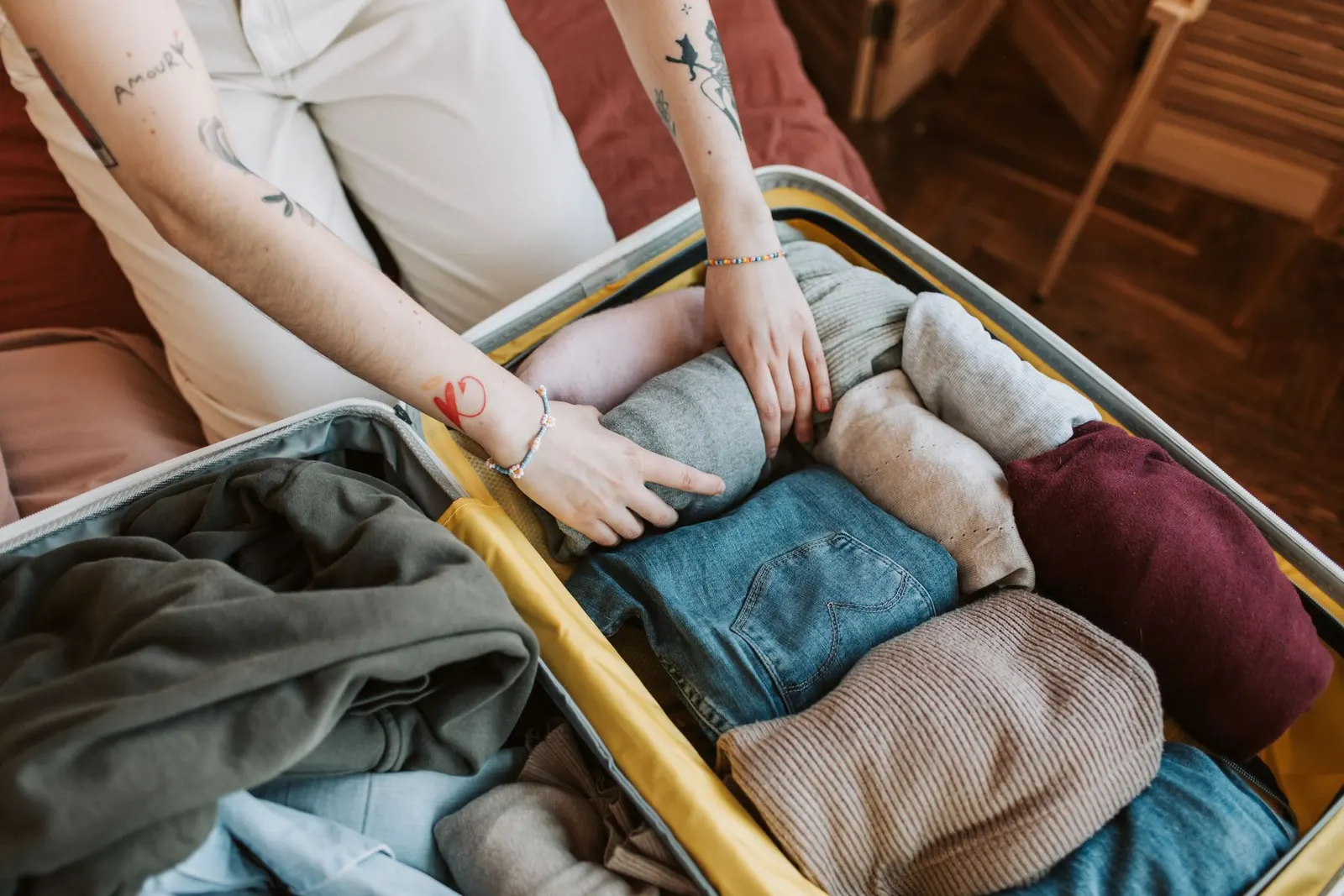
A travel day rarely involves just one setting. It might begin on a cool railway platform, continue with an afternoon of walking and finish at a neighborhood restaurant. Packing a separate outfit for every moment quickly fills a suitcase.
The appeal of Merino wool travel clothing is that a thoughtfully designed piece can earn its place in several of those moments. A simple tee can work on its own or under a jacket. A long-sleeve top can accompany an early departure and a relaxed evening.
For apparel brands, this creates a clear development opportunity: clothing that combines useful fabric properties with the fit and appearance customers want to wear again.
Why Merino Wool Belongs in the Travel Conversation

Travel puts clothing through long stretches of wear, changing activity levels and limited access to laundry. Two characteristics make Merino worth considering.
The first is odor resistance. Wool fibers can bind odor compounds, helping limit the smell that builds up during wear. Woolmark’s overview of wool and body odor describes research behind this property.
For a traveler, that can make a top more appealing to wear again when it remains clean and comfortable. It does not establish a fixed number of wears between washes: weather, activity, the wearer and the finished fabric all matter.
The second is moisture-vapor management. Wool absorbs and releases water vapor, which contributes to comfort as activity and surrounding conditions change. Woolmark’s breathability factsheet explains this behavior.
The garment still needs to suit the trip. A substantial sweater and a lightweight tee serve different purposes, even when both contain Merino. Layering choices, fit and fabric construction remain part of the experience.
Pack Less by Giving Each Piece More Than One Job

A compact wardrobe starts with coordination. A beautifully made top contributes little to lighter packing if it works with only one pair of trousers or feels appropriate for only one activity.
For a travel collection, imagine the customer wearing the same piece in three situations: sitting for several hours, exploring on foot and going out for a casual meal. This exercise gives designers concrete choices to consider.
A neckline should look finished when worn alone. The body needs enough room for comfortable movement without bunching under a layer. Branding, colors and seam details should suit the places the customer plans to visit.
A coordinated palette also helps. Navy, charcoal and an earth tone could form one direction; another brand might build around brighter colors. The useful question is whether the pieces work together and with clothing the customer already owns.
A Three-Piece Starting Point for a Travel Collection
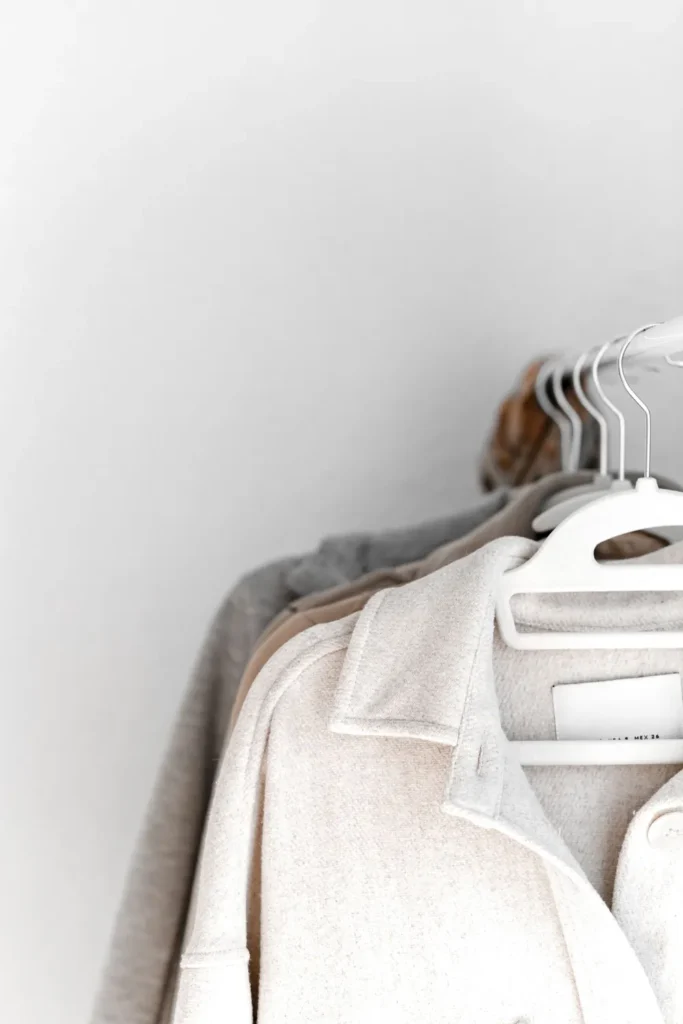
Rather than launching many similar tops, consider three distinct roles. The following is a development concept, not a complete packing list for every destination.
| Piece | Role in the wardrobe | Detail worth getting right |
|---|---|---|
| Everyday Merino tee | A standalone top for ordinary travel days, with room to layer over it | Neckline shape, coverage and a comfortable shoulder fit |
| Long-sleeve top | An alternative for cooler moments or a different outfit | Sleeve length, freedom of movement and compatibility with outer layers |
| Lightweight cardigan or zip layer | An adjustable layer for transfers, indoor stops and evenings | Easy opening, useful pockets where appropriate and manageable packed volume |
Each piece should contribute something different. If the long-sleeve top and outer layer feel identical in use, the customer has less reason to pack both.
A small collection can also make the product story clearer. Show the tee on its own, then under the second layer. Explain where each piece fits into a trip instead of asking the customer to interpret a list of fabric specifications.
Choose the Fabric Around the Trip
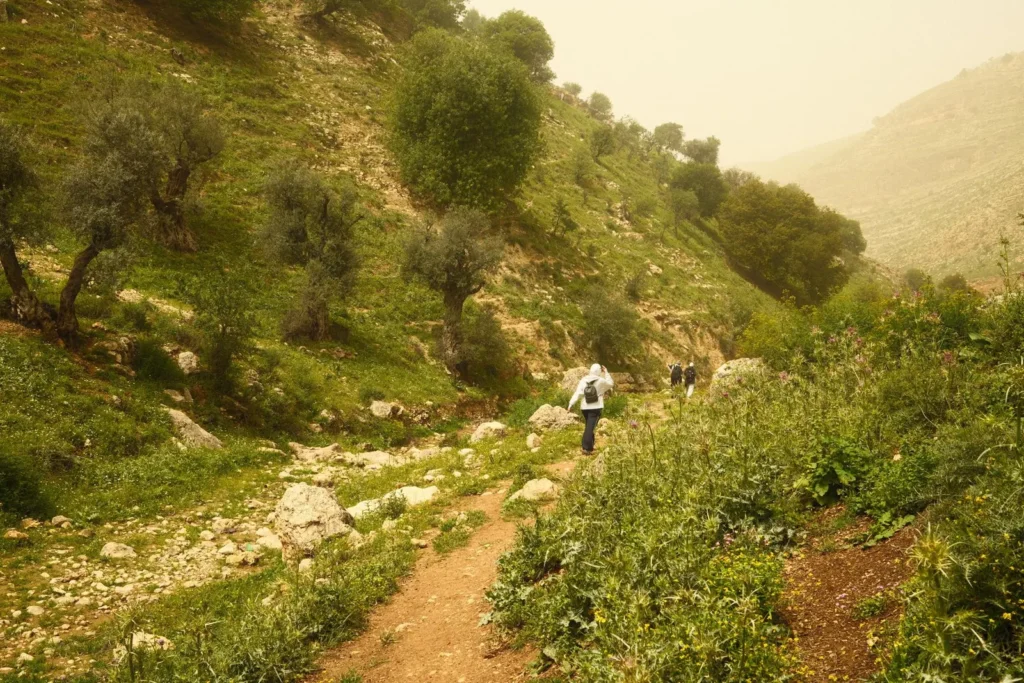
Start with a recognizable customer and itinerary. A weekend city break, a walking holiday and a trip with frequent work meetings place different demands on clothing.
For warm-weather sightseeing, begin with a lighter fabric direction and assess coverage, drape and comfort on the body. For cooler trips, consider how the garment combines with the rest of the layering system. Our Merino wool weight guide explains how GSM fits into that choice.
Composition deserves the same attention. A wool-only main fabric may be central to a collection’s identity. A blend may be worth exploring when the brief places particular emphasis on durability, stretch or surface feel. Compare options against the garment’s purpose using our guide to 100% Merino wool and blends.
For a top likely to be worn with a backpack, include that backpack in a wear trial. For a piece intended for restaurants as well as sightseeing, assess its appearance after sitting, walking and unpacking. These everyday observations help connect the fabric decision to the product promise.
Make Care Part of the Travel Experience
A customer may love a garment at home and still hesitate to pack it if the care routine feels difficult away from home.
Make washing and drying instructions easy to find before purchase. Machine washability depends on the finished garment’s care specification; “Merino” alone does not establish it. Woolmark recommends flat drying wool knitwear unless the care label permits tumble drying.
For a travel range, discuss the intended care routine during development. If customers are likely to wash a top in the evening, assess drying under realistic conditions before making an overnight-drying claim. Airflow, humidity and the amount of water left after washing can change the result.
Give customers a short, practical care guide alongside the garment. Our Merino wool washing guide provides a useful introduction, with the garment’s own label taking priority.
Develop a Collection Customers Can Picture Wearing
The strongest travel story connects a material benefit with an ordinary moment: a comfortable journey, a walk through a new neighborhood or an outfit that still feels appropriate at dinner.
Begin with a small range and a clear customer brief. Define the destination climate, intended activities, fit, colors and target price. Then develop samples that can be worn together and assessed through a realistic day.
Wildland supports brands with fabric sourcing, sampling, private label development and bulk production. Working with a Merino wool apparel manufacturing partner allows those fabric and garment decisions to be considered together.
If you are developing a Merino wool travel clothing collection, share your ideas with the Wildland team. Bring the customer, the trip and the pieces you have in mind, and use them as the starting point for your next samples.