


Whether you are leaving a warm bed for your morning commute or reaching out of a cozy sleeping bag to find your clothes, winter often takes you from warmth into the cold and back again. Nobody enjoys that first icy draft, do they? A Merino wool base layer could be the companion that stays closest to you through it all.
That familiar winter challenge gives apparel brands a worthwhile opportunity to develop products that meet an everyday need. We all want to find that perfectly comfortable first layer and wear it all winter. Well, perhaps not continuously without a wash! Merino resists odors, but even a favorite base layer needs some care. Let’s talk about the fabric, fit and details that make it worth reaching for again.
What Makes Merino a Useful First Layer?
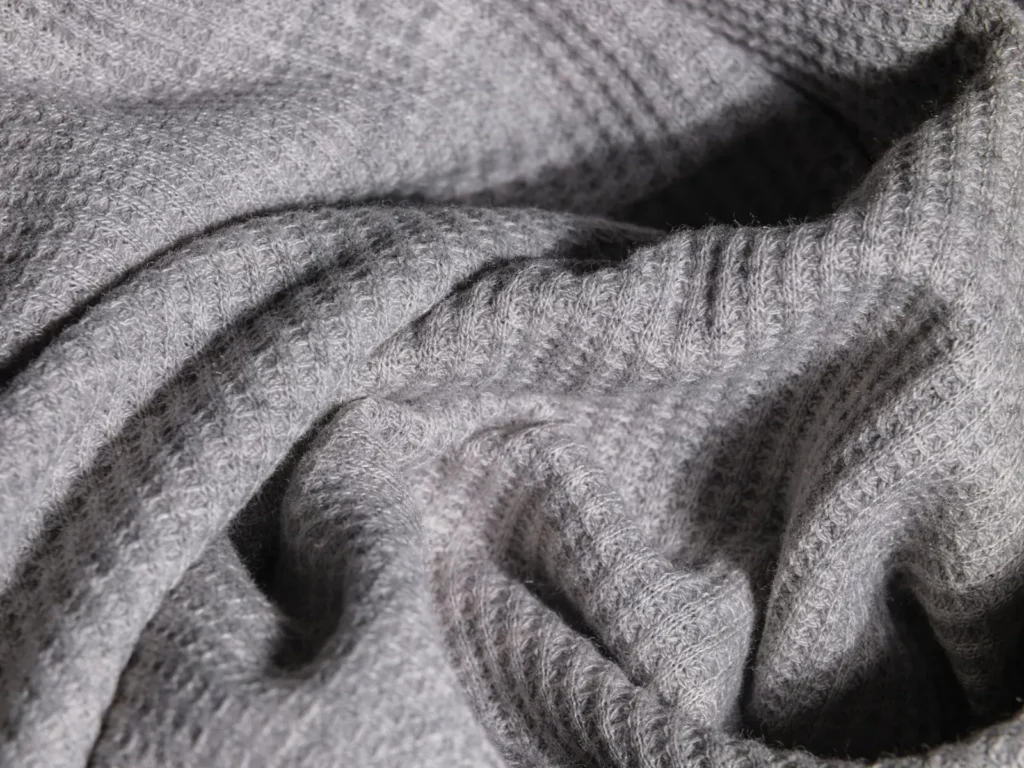
Merino wool naturally offers moisture-vapor management, insulation and odor resistance. I once wore a Merino wool T-shirt for a full week in the middle of summer, and it still had surprisingly little odor. That experience made its appeal as next-to-skin clothing very clear to me. Woolmark’s overview of Merino wool base layers also explains these properties. Of course, one experience does not tell the whole story. Every garment’s performance depends on factors including fabric construction, weight, fit and the conditions in which it is worn.
Those specifications may vary, but I think we all recognize the importance of comfort. A fabric that feels pleasant in your hand is a promising starting point for something you will wear against your neck, underarms and waist throughout the day. That is why we always recommend starting with an initial sample you can try on, then refining it around your specific requirements. When shortlisting fabrics, our Merino wool micron guide provides useful background on fiber fineness.
Give Each Layer a Clear Role
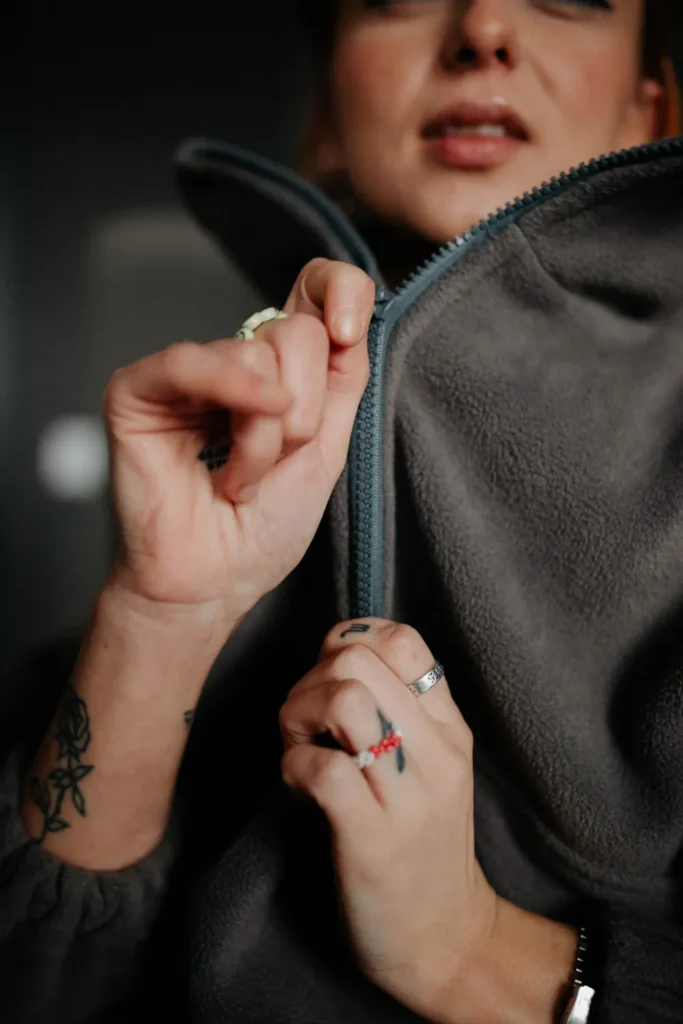
In principle, layering involves three roles: the base layer manages moisture next to the skin and helps keep the chill at bay, the middle layer provides insulation, and a suitable outer layer protects against wind and precipitation. REI’s layering guide explains how these roles work together. Adjusting or removing layers as activity levels and weather change is also part of the system.
In practice, there are plenty of smaller frustrations to consider, especially when other clothing is worn over the base layer. A few that I have experienced myself may sound familiar.
You pull on an outer layer, and the sleeves underneath ride up and bunch around your upper arms. Now you are standing outside, crossing your arms and reaching into the opposite sleeve, tugging everything back into place. Leave the hem untucked, and cold air finds its way straight to your waist. Tuck it in, and the next question is whether it feels comfortable there. Then there are the collars: does the inner one sit too high or feel so restrictive that you keep adjusting it?
When your brand considers these details during design, we can work on the construction and fit to address them.
Choose Weight Around the Day Ahead
Winter is not a single setting. Commuting, taking an afternoon walk and spending an extended period outdoors all place different demands on clothing. Choose your base layer and the pieces around it according to what you will be doing, how long you expect to be out and where you are going.
During development, request a lighter and a more substantial fabric option in the same proposed fit. Compare them through the intended movements and with the planned outer layers. GSM measures mass per unit area; it is not a temperature rating. Our 150 vs. 200 vs. 250 GSM guide can help frame that comparison without turning a weight label into a promise of comfort at a specific temperature.
Fit Is Part of the Feeling
As mentioned earlier, a base layer needs to feel comfortable and allow you to move freely. When trying on or testing a sample, put it through familiar movements. Work at a keyboard. Reach forward as though holding a steering wheel. Raise your arms as you would at the gym. Tuck in your top as though you were about to step onto the court or field.
Then notice what happens. Does anything pull out of place? Do folds build up somewhere uncomfortable? Apply the same approach to leggings: compare how they feel when standing, bending and sitting, paying particular attention to the knees and other areas where the fabric moves with you.
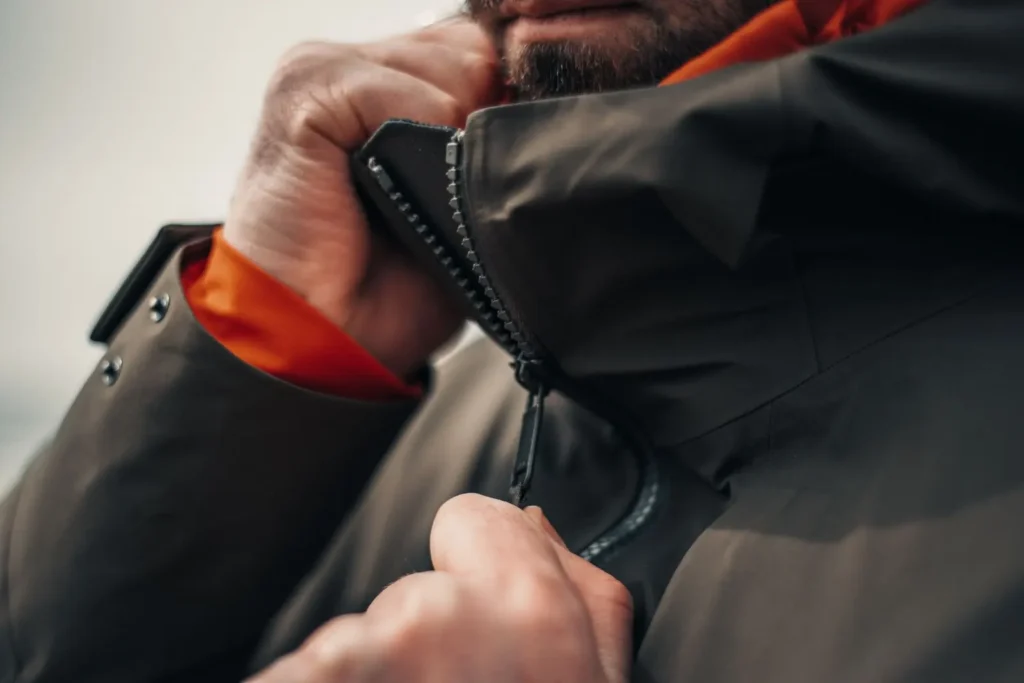
Consider the smaller details in context, too. A crew neck may sit neatly beneath everyday clothing, while a zip neck offers another way to adjust the opening. Check how any zipper guard feels against the skin, and assess seams where a backpack or another layer applies pressure. Let the intended customer’s needs guide the choice.
Build a Range for Real Winter Routines

A focused first range could include a long-sleeve crew, a zip-neck alternative and leggings. Give each style a defined purpose rather than changing only the color. An everyday top might prioritize a discreet neckline and clean silhouette, while a more active style could explore different panel placement and room for movement.
Both pure wool and blends deserve consideration. A pure wool fabric can be a strong way to showcase what your brand offers, while customers will also weigh durability and value over repeated wear. Our comparison of 100% Merino and blends outlines options to discuss during sampling. Include care instructions and appearance after washing in your evaluation, too. If this becomes a garment customers love, they certainly will not wear it only once.
Develop the First Layer with Wildland
Looking to expand your product range? Start planning early. Who will wear the garments? What does their winter day look like? What do they expect from the fit? Add your preferred styles, colors and target price, then use samples to turn those ideas into products customers can experience for themselves. We will support you throughout the process as you develop and expand your collection.
As a Merino wool apparel manufacturer and supplier, Wildland supports apparel brands with fabric sourcing, sampling, private label development and bulk production. We also draw on the capabilities of China’s supply chain to help bring your product ideas to life. If you are planning a winter Merino base-layer collection, share your requirements with our team so we can explore the fabric and garment options together.