

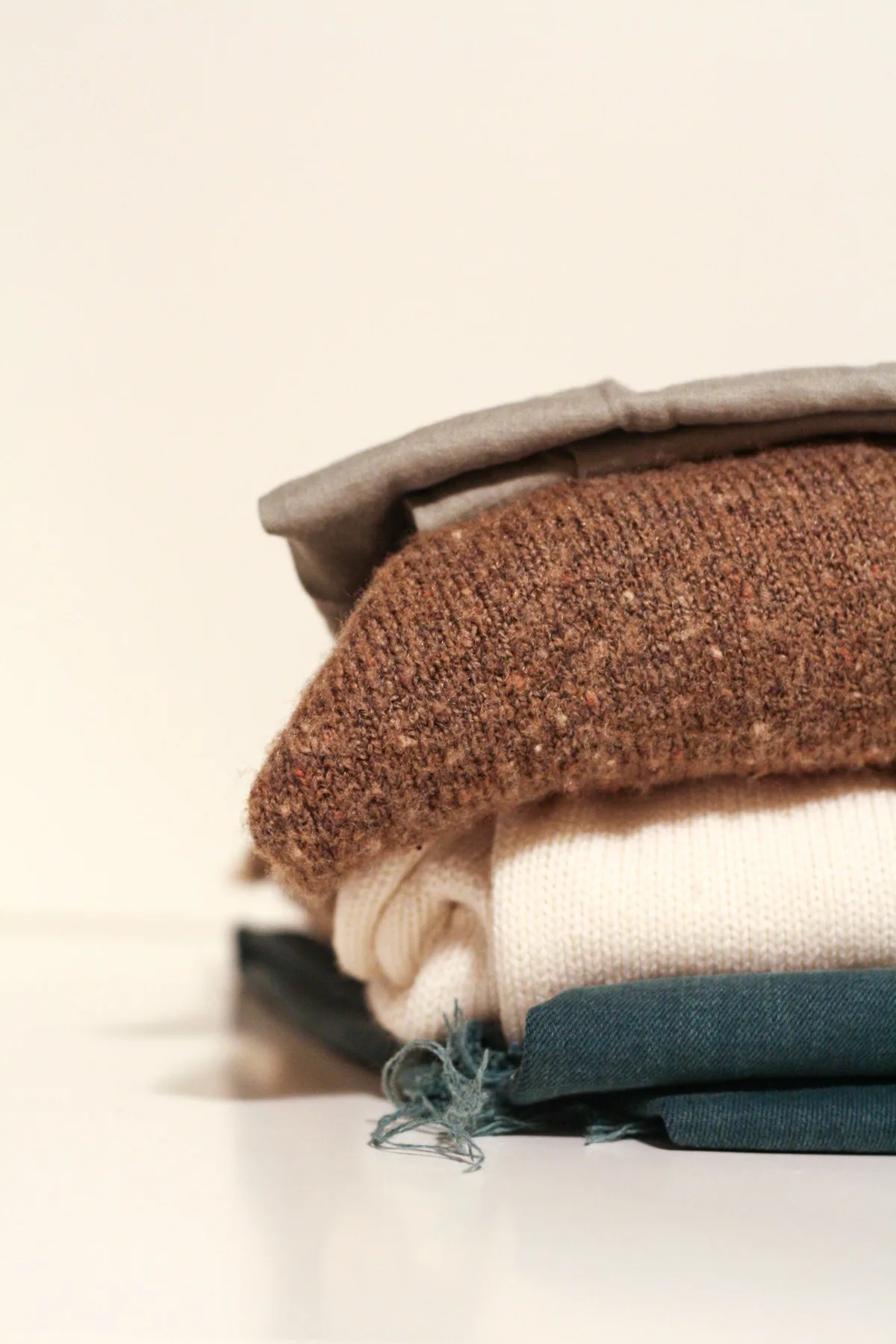
Knowing how to wash merino wool starts with the care label. Some garments are designed for machine washing; others need hand washing or professional cleaning. A familiar-looking wool T-shirt and a knitted sweater may require different routines.
The goal is simple: clean the garment while protecting its fit, surface and shape. This guide covers washing, detergent, drying and storage, with a final checklist for clothing brands developing their own merino products.
Start with the Care Label
Before washing, check the permitted cleaning method, water temperature and drying instructions. Do not assume that every item marked “merino wool” can go through the same cycle. Woolmark also puts the garment label first in its wool washing guidance.
Fiber content is only part of the picture. Fabric construction, finishing and garment components also matter. A blend is not automatically machine washable, and a 100% merino garment is not automatically hand-wash only. Our guide to 100% merino wool versus blends explains the material choices behind these products.
If the label is missing or unclear, ask the brand for instructions before experimenting.
Can You Machine Wash Merino Wool?
Yes—when the garment’s care label allows it. Use the specified program and temperature, rather than assuming that any “delicate” cycle will be suitable.
For a machine-washable garment:
- Turn it inside out. Use a suitable laundry bag if the garment’s instructions recommend one.
- Separate incompatible colors and avoid an overloaded drum.
- Add a detergent suitable for wool, using the amount stated on its packaging.
- Select the permitted wool or gentle program, including any temperature and spin restrictions.
- Follow the drying instructions as soon as the wash is finished.
Woolmark’s sweater washing guide covers inside-out washing, laundry bags and suitable programs. Smartwool likewise recommends sorting colors and avoiding overloaded loads in its garment care advice.
Cold water alone does not make an unsuitable cycle safe. The amount of movement matters too.

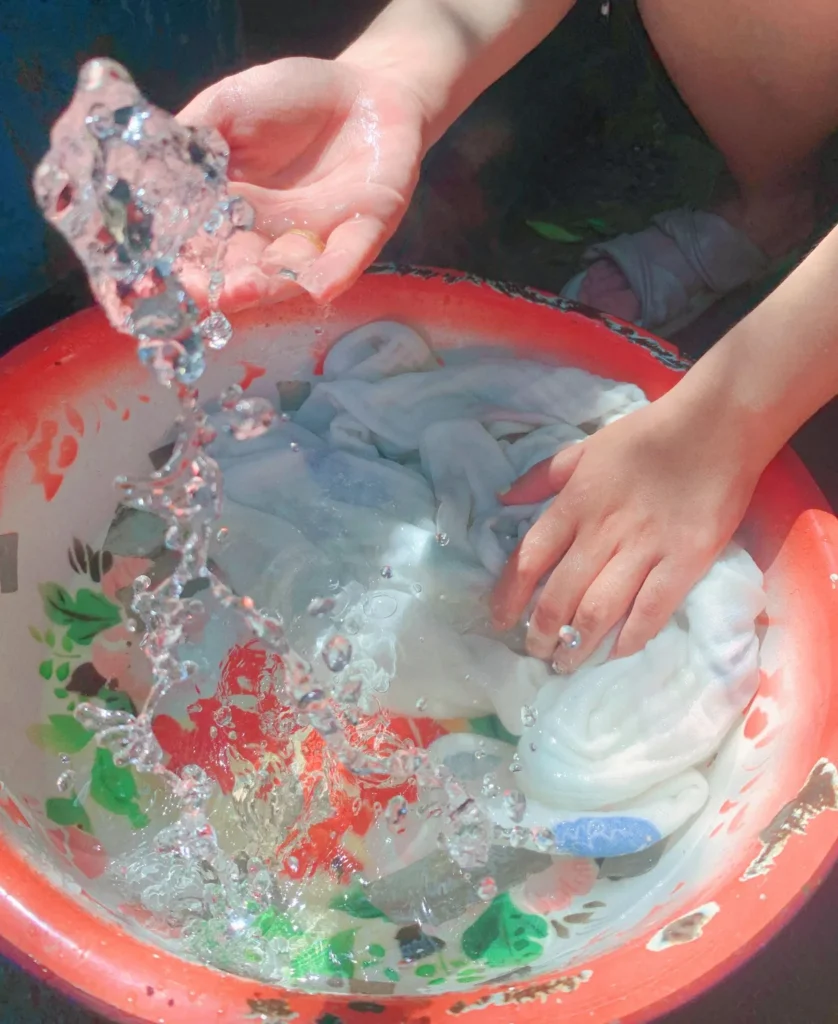
How to Hand Wash Merino Wool
Hand washing still requires gentle handling. Rubbing, scrubbing or repeatedly twisting a wet garment defeats the purpose of choosing a gentler method.
If hand washing is permitted:
- Fill a clean basin with water at the temperature specified on the label.
- Add a wool-suitable detergent according to its dosing instructions.
- Submerge the garment and move it gently through the water.
- Follow the recommended soaking time instead of leaving it overnight.
- Rinse gently as directed, then support the garment while lifting it from the basin.
- Press out excess water without wringing or twisting.
For washable wool, Woolmark’s general method uses lukewarm water around 30°C and a soak of about 10 minutes before gentle rinsing. Follow different instructions where specified for your garment. See its hand-washing guidance.
Choose a Detergent Suitable for Wool
Look for a detergent explicitly described as suitable for wool. A pleasant fragrance or a “gentle” marketing claim is not enough to establish compatibility.
Woolmark recommends mild, neutral detergents and advises against heavy-duty detergents, enzyme-containing biological detergents and both chlorine and oxygen bleach. Follow the product’s dose rather than adding extra detergent for reassurance. Its detergent guide explains these choices.
Skip fabric softener unless the garment manufacturer permits it. Care advice differs between products: Smartwool, for example, tells customers to avoid it. For an unfamiliar stain, check the brand’s advice before applying a household stain remover.
How to Dry Merino Wool Without Distorting It
For knitted merino garments with flat-drying instructions, prepare a clean, pale, lint-free towel on a suitable flat surface. Lay the garment down and gently arrange it into its natural shape without stretching it.
Allow air to circulate, and keep it away from radiators and direct sunlight. Avoid hanging a wet knitted sweater by its shoulders: the weight of the water can pull it out of shape.
Do not move it into a tumble dryer simply because it still feels damp. Tumble drying is appropriate only when the care label expressly allows it, using the specified setting. These recommendations follow Woolmark’s drying guidance.
Why Does Merino Wool Shrink?
Wool fibers have surface scales. Under agitation in water, these can interlock, causing felting and shrinkage. Shrink-resist processing can improve washability, which helps explain why different merino fabrics carry different care instructions. Woolmark describes this in its overview of machine-washable wool.
This is why a universal promise such as “merino never shrinks in cold water” is misleading. Follow the whole care routine, including the wash action and drying method, rather than focusing on temperature alone.
How Often Should You Wash It?
There is no fixed number of wears that suits every garment or activity. Check for dirt, stains and odor, and consider how the item was used.
Wool’s natural odor resistance can make airing between wears useful, but it does not remove visible dirt or replace washing when needed. Woolmark discusses airing and less frequent laundering in its wool care guidance.
If you are comparing everyday care expectations across materials, our merino wool versus polyester guide covers their different performance trade-offs.
Store It Clean, Dry and Folded
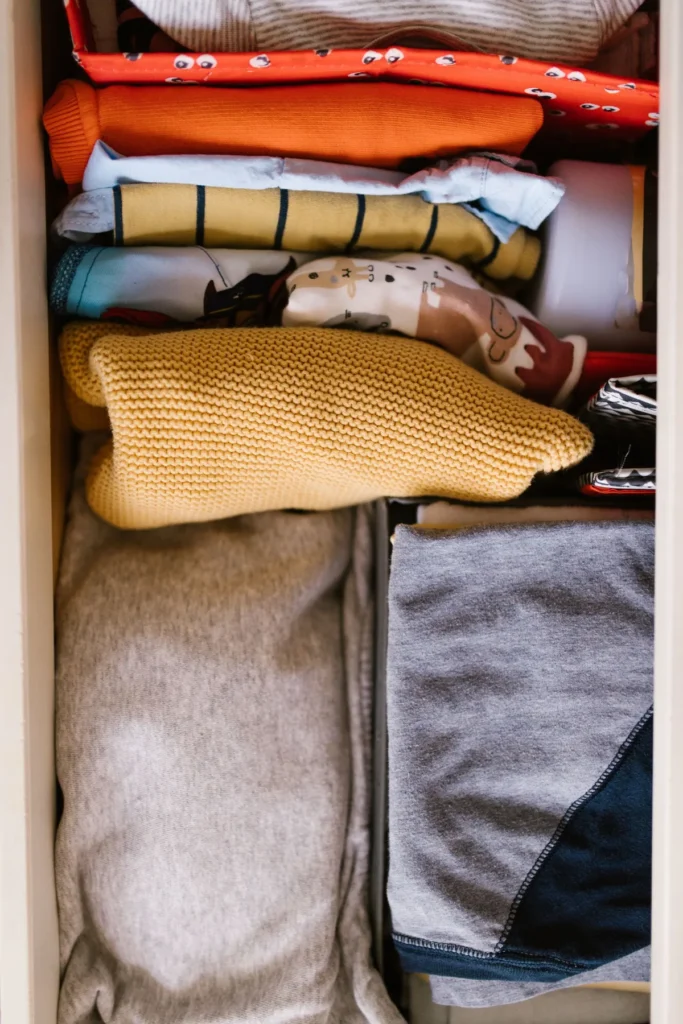
Clean garments before longer-term storage and let them dry completely. Fold knitted items neatly instead of leaving them stretched over hangers. Check stored clothing periodically for moisture or signs of insects. These habits are covered in Woolmark’s storage guide.
For Clothing Brands: Validate the Care Instructions
A care label should be part of product development. Before approving a merino style, agree on its intended care routine with the manufacturer and evaluate finished samples using that routine.
Useful checks include:
- Measurements: compare body length, width and sleeve length before and after washing.
- Appearance: inspect surface changes, pilling, color and print quality.
- Construction: check seam twisting, necklines, cuffs, zippers and trims.
- Repeat use: review results after an agreed number of wash-and-dry cycles.
- Customer guidance: make sure the label, product page and care leaflet give consistent instructions.
Record the actual wash program, detergent and drying method alongside the results. A note that says only “wash tested” leaves too much unexplained. Use the findings to finalize care instructions before approving bulk production.
Developing a new range of merino base layers? Contact Wildland with your target fabric, garment design and intended care routine to discuss the sampling brief.
For brands developing a merino collection, care requirements belong in the sampling brief alongside fabric weight, composition and fit. As a merino wool apparel manufacturer, Wildland supports fabric selection, sampling and OEM/ODM production for apparel brands.
Share your product brief with our team, including the intended wash and drying routine, so these requirements can be discussed during development.
Frequently Asked Questions
Can all merino wool go in the washing machine?
No. Machine wash only when the care label allows it, using the stated program and temperature. Fiber content alone does not establish washability.
Can you tumble dry merino wool?
Only if the garment’s care label explicitly permits it. Otherwise, follow the stated drying method; knitted items commonly require drying flat.
Does a merino blend need the same care as pure merino?
Not necessarily. Follow each finished garment’s instructions. Adding another fiber does not automatically make a product suitable for a hotter or more vigorous wash.

Pingback: Merino Wool for Summer: Lightweight Guide | Wildland