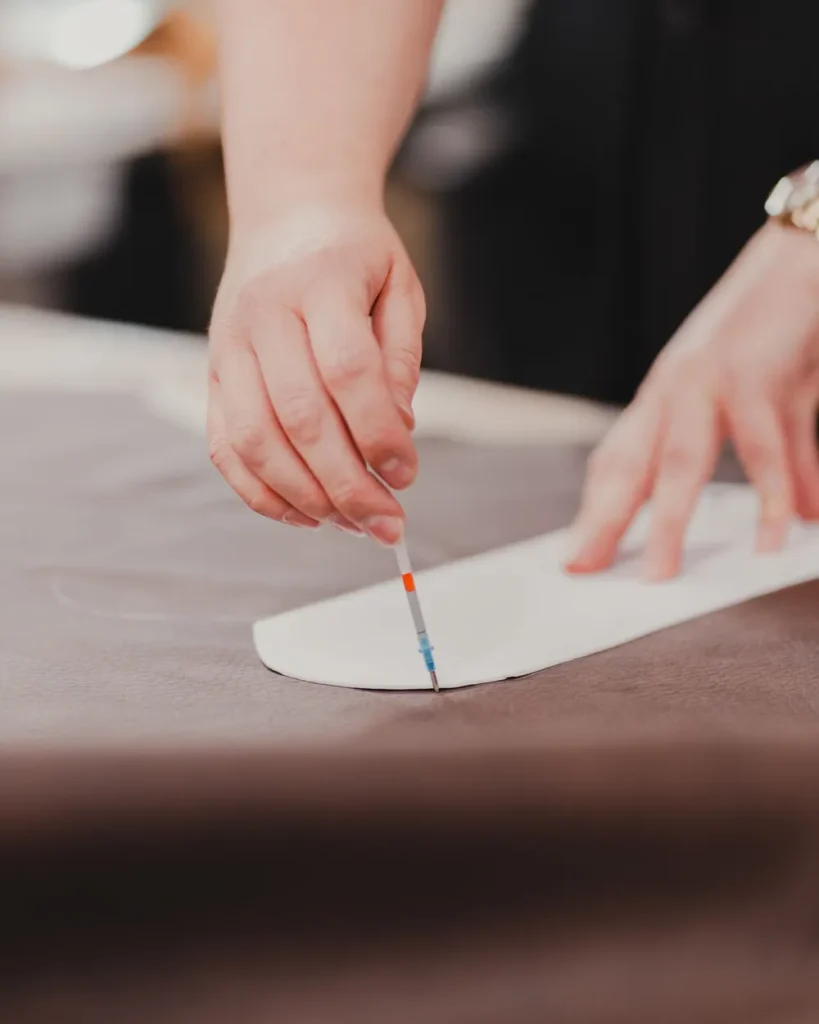

Merino wool vs cotton is a useful comparison when two garments look similar but serve different purposes. A travel T-shirt designed for repeat wear has a different brief from an everyday casual tee. The right fabric should support that brief, from how it feels against the skin to how customers wash it.
Merino deserves a close look when odor management and layering are priorities. Cotton is a strong starting point for casual collections built around a familiar feel and a broad range of fabric constructions. Neither fiber name, on its own, guarantees the performance of the finished garment.
For apparel brands, the useful question is: which material helps this particular product deliver what customers expect?

Merino Wool vs Cotton at a Glance
| Consideration | Merino wool | Cotton |
|---|---|---|
| Fiber origin | Animal fiber from Merino sheep; protein-based | Plant fiber from cotton bolls; cellulose-based |
| Next-to-skin feel | Fiber diameter is an important part of softness | Yarn, construction and finishing shape the feel |
| Moisture | Can absorb water vapor within the fiber | Readily absorbs liquid water; engineered fabrics can improve moisture transport |
| Odor | A useful option when repeat-wear odor control matters | Evaluate odor performance in the intended wearing conditions |
| Care | Follow the garment’s wool care instructions | Follow the label; cotton does not mean every wash or dryer setting is suitable |
| Product direction | Travel tops, base layers and versatile layering pieces | Casual tees, shirts and everyday wardrobe basics |
These are starting points for material selection, rather than performance specifications for every fabric.
What Is the Difference Between the Fibers?
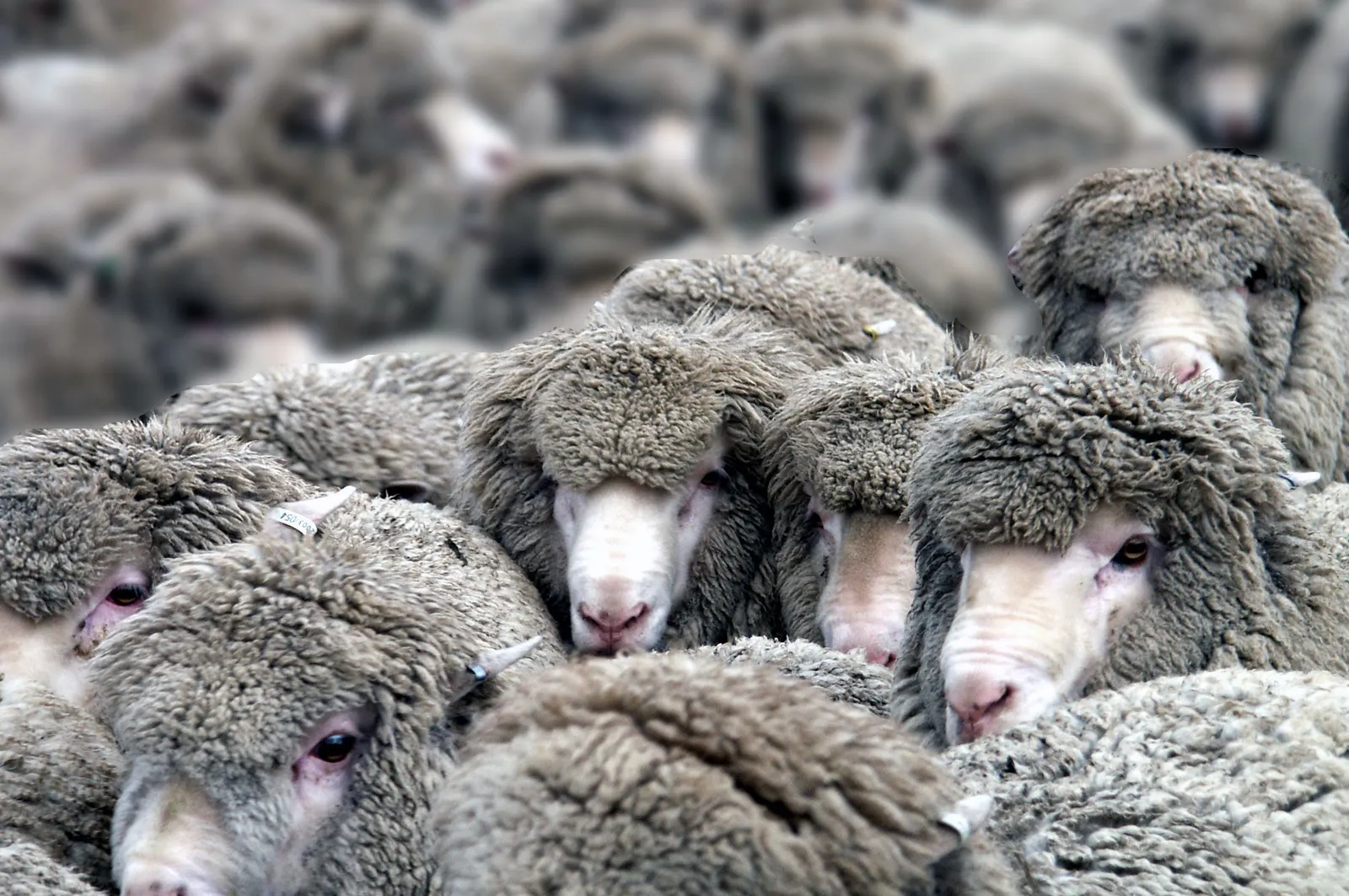
Merino wool comes from Merino sheep. It is made primarily of keratin, a protein, and has a structure that differs from plant fibers. Woolmark’s introduction to Merino wool explains its fiber structure and fineness.
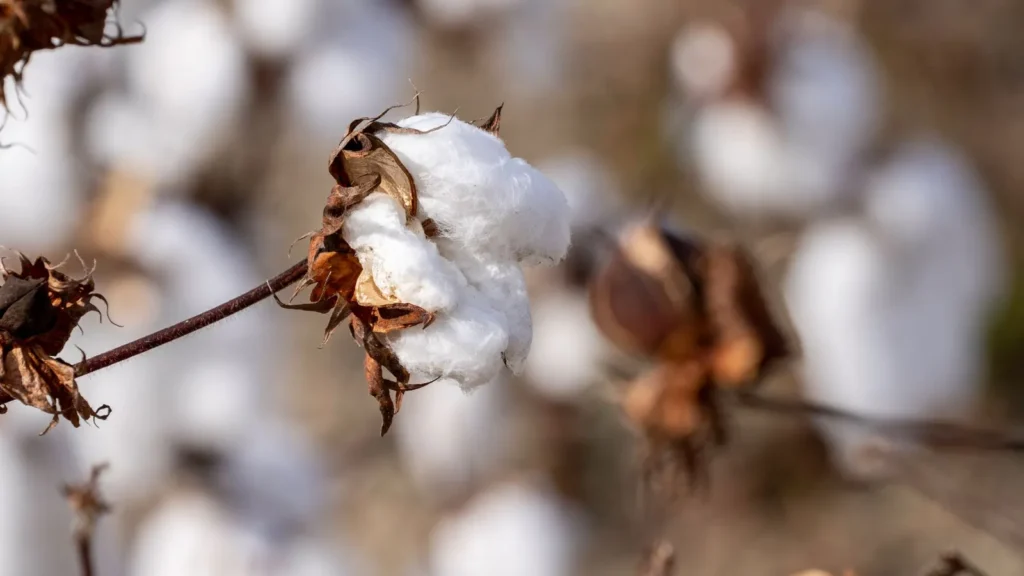
Cotton grows around the seeds inside cotton bolls. Its fiber is largely cellulose, as described in Cotton Incorporated’s textile fibers guide.
Those different origins help explain why the materials behave differently. However, neither “natural” nor “100%” tells a buyer whether a particular garment will feel soft, hold its shape or suit a target retail price.
Which Feels Better Against the Skin?
For Merino, start with fiber diameter. Finer fibers generally bend more easily against the skin, making micron selection relevant for close-fitting garments. Our Merino wool micron guide explains how to approach that specification.
Cotton also comes in many different fabric forms. A compact jersey, a brushed knit and a crisp woven shirt will not feel alike simply because all three contain cotton.
Compare finished swatches before committing to either material. Check the inside surface, seams, collar and any printed areas in a sample garment. Customers experience the whole product, not an isolated fiber specification.
Moisture Management Is More Than Absorbency
Absorbing moisture, moving liquid sweat and drying are separate processes.
Wool can absorb water vapor within its fibers, which is one reason it is used in next-to-skin layers. Woolmark explains this behavior in its wool breathability research overview. That does not mean every Merino fabric dries faster than every cotton fabric.
Cotton readily absorbs water, but it is inaccurate to say cotton cannot manage sweat. For example, Cotton Incorporated’s TransDRY technology uses a combination of treated and absorbent cotton yarns to control wetting and encourage moisture movement. It illustrates how engineering can change a fabric’s performance; it is not a feature of all cotton garments.
If quick drying is part of your product promise, compare actual fabrics under the same conditions. Weight, construction, finishes and the amount of water present can all affect the result.
Odor Management: A Reason to Consider Merino
Odor is an important distinction for products intended to be worn repeatedly between washes.
Research summarized in Woolmark’s odor-resistance overview reports lower odor retention in tested wool fabrics than in cotton fabrics. Wool’s ability to bind odor compounds is relevant to travel tops and other repeat-wear clothing.
This supports considering Merino for an odor-focused product brief. It does not justify promising a fixed number of odor-free days, calling a garment antibacterial or suggesting that washing is unnecessary. Wear duration, activity and garment construction still matter.
For a brand, a useful next step is a wear trial that reflects the customer’s actual routine, followed by an honest description of the results.
Warmth and Summer Comfort
Wool’s natural crimp can help a fabric retain insulating air. However, fiber content alone does not tell you how warm a garment will feel: fabric thickness, construction, coverage and layering also matter.
For summer products, compare light, appropriately fitted garments. A dense cotton sweatshirt and a lightweight Merino tee are not a meaningful fiber comparison. Our guide to Merino wool for summer looks more closely at weight, fit and intended activity.
Care and Durability Need Separate Decisions
Neither fiber automatically makes a garment easy to care for or long-lasting.
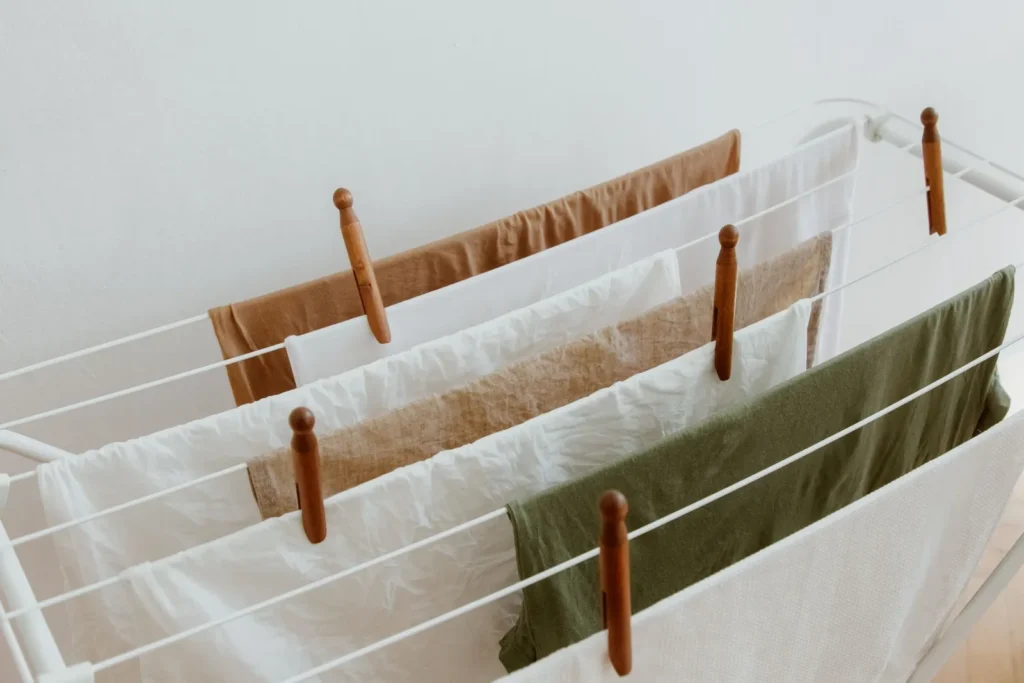
Cotton Incorporated notes that cotton fibers become stronger when wet. That fiber property does not establish a garment’s shrinkage, colorfastness or suitability for hot washing. Those need to be assessed on the finished product.
For Merino, use the intended washing and drying method when evaluating samples. Our Merino wool washing guide explains why the care label should lead the process.
Before approval, check changes in dimensions, surface appearance, seams and collar shape after repeated care cycles. If backpack rubbing or frequent layering is expected, include those friction points in your assessment. Set acceptance criteria before testing so that approval is based on more than how a new sample looks.
Choosing a Fabric for Your Product Line
Consider three different briefs:
- An everyday casual T-shirt: Start with cotton samples when a familiar hand feel and casual styling lead the brief. Evaluate the weight, surface and fit your customer expects.
- A travel T-shirt for repeat wear: Shortlist Merino when odor management is a central reason to buy. Assess comfort across repeated wears and confirm that the care instructions fit the travel use case.
- An active layer: Compare complete fabric specifications, including construction and any blend or finish. Neither “Merino” nor “cotton” is sufficient evidence for a quick-drying or durability claim.
A clothing line can use both materials in distinct roles. A casual cotton tee and a Merino travel tee do not need to compete on the same promise.
What Buyers Should Put in the Brief
Before requesting samples or comparing prices, record:
- Customer and use: Daily casual wear, travel, layering or a defined activity.
- Fabric specification: Composition, construction, target weight and hand feel; include micron requirements for Merino where relevant.
- Performance priorities: Decide whether odor, drying, shape retention or another property is most important, and define how it will be assessed.
- Care expectations: Specify the intended wash and drying process before sample approval.
- Commercial details: Quantity by color and size, trims, decoration, packaging and delivery requirements.
Ask suppliers to quote against that same brief. An unfinished fabric price and a fully packaged garment price are not comparable, and a small development order should not be treated as evidence of future bulk pricing.
For a new collection, approve the fabric and the finished garment as separate stages. A promising swatch still needs to work with the pattern, seams and care process.
When Merino fits your product brief, Wildland can support fabric selection, sampling, OEM/ODM development and bulk production as your Merino wool manufacturing partner. Share your garment requirements to discuss the next step for your collection.