


A Merino wool sample can feel soft and look well made while still leaving important questions unanswered. Does it use the intended bulk fabric? Does the fit work during movement? Will the garment keep the required dimensions after washing?
Before approving production, review the fabric specification, measurements, construction, care performance and finishing details together. A clear Merino wool sample checklist turns “the sample looks good” into a documented decision that both the brand and manufacturer can follow.
This guide is designed for apparel brands developing Merino T-shirts, base layers and other knitted garments.
The Sample Approval Checklist at a Glance
| Review area | What to confirm | What to keep on record |
|---|---|---|
| Sample identity | Style, size, version and purpose | Sample reference and revision date |
| Fabric | Composition, micron specification, GSM, construction and finish | Agreed fabric specification and supporting documents |
| Fit | Measurements and comfort during intended movement | Measurement sheet, photographs and fit comments |
| Construction | Seams, hems, neckline, trims and inside finish | Close-up images and specific corrections |
| Care performance | Dimensions and appearance after the agreed care process | Before-and-after results and test conditions |
| Surface and color | Pilling expectations, shade and relevant colorfastness | Approved color reference and agreed test results |
| Labels and packaging | Artwork, placement, care information and packing details | Approved artwork and packing reference |
| Final approval | Closed corrections and a clear production reference | Written approval tied to the correct sample version |
1. Confirm What the Sample Is Meant to Approve
Start by identifying the decision you are making. An early development sample may help assess a silhouette. A fit sample may focus on measurements. A pre-production sample should be reviewed against the agreed production specification.
Sample names and workflows vary between suppliers, so ask what is included rather than relying on the name alone.
Record any substitutions: a different fabric color, temporary zipper, missing logo or alternative label. A substitute may be useful during development, but it leaves that part of the final product unapproved.
Avoid a general “approved” message when you only mean “fit approved.” State which features are accepted and which still need confirmation.
2. Match the Fabric to the Written Specification
For Merino garments, the specification should identify:
- Fiber composition and blend percentages.
- The agreed wool fiber diameter specification.
- Fabric weight in GSM and its agreed tolerance.
- Knit construction, such as single jersey, interlock or rib.
- Color reference, finishing and intended care performance.
Micron and GSM describe different things. Micron refers to fiber diameter; GSM measures fabric mass per unit area. Our guides to Merino wool microns and Merino fabric weight explain how to use both in a product brief.
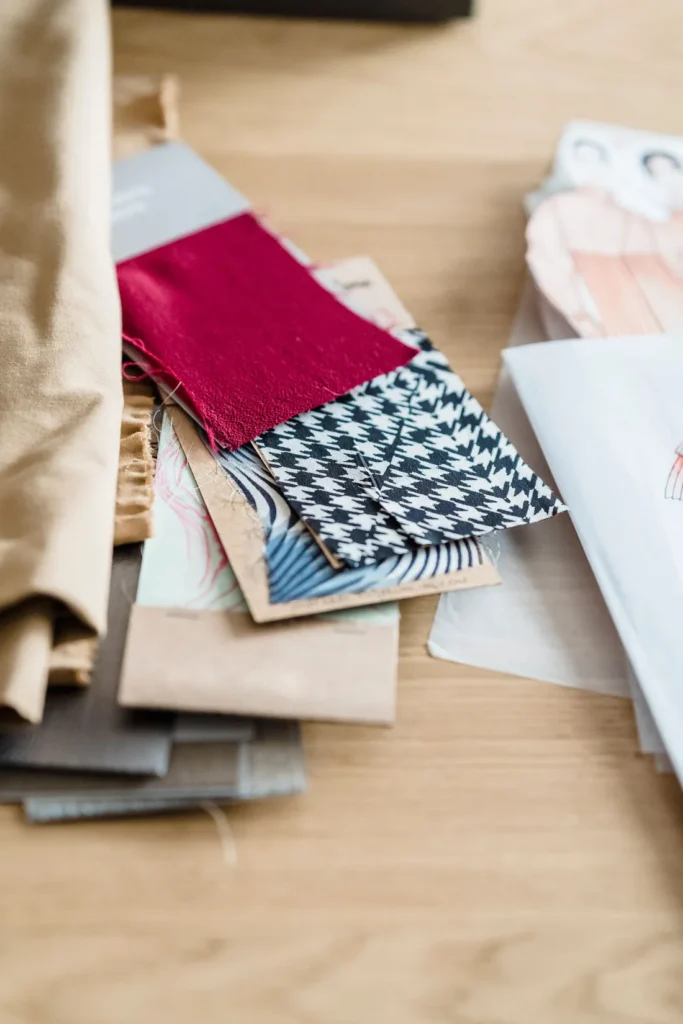
Use touch to judge the hand feel you want, but request supporting material documentation for properties that cannot be verified by feel. Record the fabric reference used for the sample so later revisions do not accidentally introduce a different material.
3. Check Measurements and Fit Separately
A garment can match a measurement chart and still need a fit adjustment.
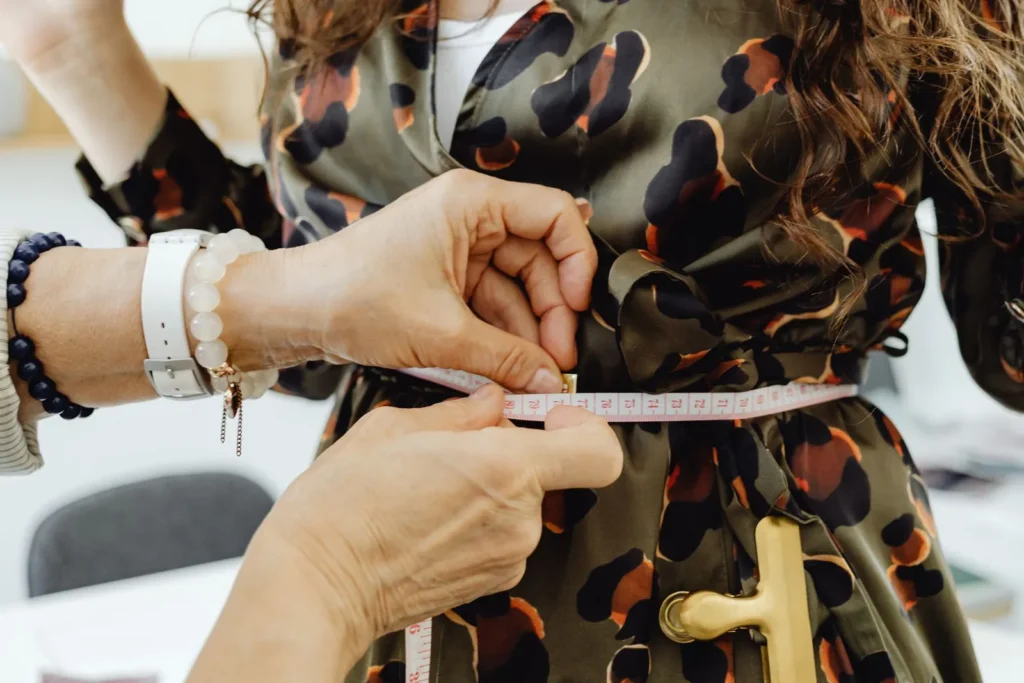
First, measure it using agreed points and a consistent method. For a top, these may include chest width, body length, sleeve length, shoulder width and neck opening. Specify where each measurement begins and ends, and record actual readings alongside the target and tolerance.
Then assess it on an appropriate fit model during the intended movements. For a base layer, raise the arms, reach forward and bend. Check whether the hem rises excessively, the neckline pulls or the underarm feels restrictive.
Compare the garment with the intended fit: a fitted base layer and a relaxed travel tee should not be judged against the same silhouette. Plan the required size review as well; approving one sample size does not confirm the entire size range.
4. Inspect Seams and the Inside of the Garment
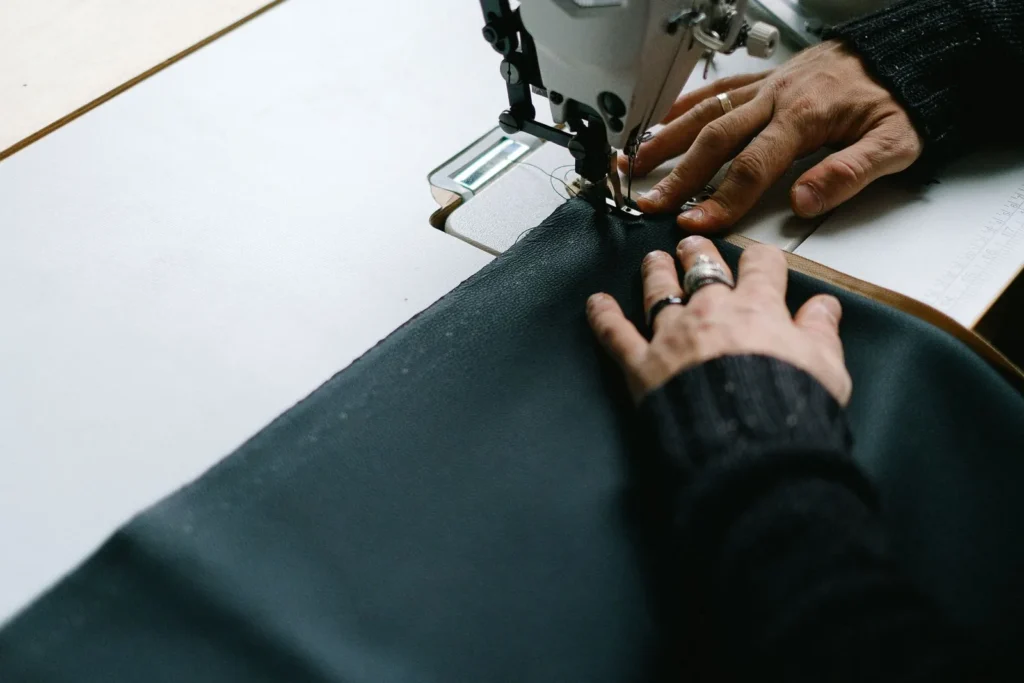
Turn the sample inside out. Look for skipped stitches, open seams, loose thread ends, uneven hems and fabric damage around stitch lines. Check the neckline, underarm, sleeve joins and any areas that stretch during dressing.
During the fit review, note where seams or labels press against the skin. If the garment is intended for use under a backpack or another layer, include that setup in the trial.
Describe corrections precisely. “Improve the sewing” is difficult to act on. “Remove the raised seam bulk at the left underarm and resubmit that detail” gives the sample team a clear task.
Keep photographs of the problem and the corrected version together.
5. Review Wash Performance Before Approving Care Instructions
Do not infer machine washability from the word “Merino.” Woolmark explains that machine-washable wool uses treatments or processing to improve resistance to felting, shrinkage and distortion.
Agree on the washing and drying conditions, the number of cycles and the acceptance criteria before evaluation. Record dimensions and appearance before and after the chosen process, using consistent measurement conditions.
For example, if a recorded body length changes from 68 cm to 66 cm, the dimensional change is:
(66 − 68) ÷ 68 × 100 = −2.94%
The negative sign indicates a reduction. This is a calculation example, not a universal pass limit. Approval depends on the specification agreed for the garment.
For formal testing, AATCC TM150 addresses garment dimensional changes after home laundering. Its scope notes limitations for certain stretch fabrics, so confirm the appropriate method with the testing laboratory. An informal wash trial should not be described as a standardized laboratory test.
Also review twisting, collar shape, seam appearance and trim behavior. Our Merino wool care guide provides useful background for the care discussion.
6. Define Surface and Color Expectations
A new sample cannot show every change that may occur during wear. If pilling resistance matters to the product brief, agree on the test method, evaluation conditions and acceptance level before testing. Our guide to Merino wool pilling explains why this deserves its own review.
Use an approved physical reference for shade assessment rather than relying only on phone photographs. For garments with contrast panels, prints or trims, include the combination in the evaluation.
Woolmark’s quality assurance program includes fiber content, durability, laundering and colorfastness checks. These are useful areas to discuss when developing a test plan; the applicable requirements must match your particular product.
7. Review Labels, Branding and Packaging
Confirm the exact artwork, dimensions and position of the main label, size label, care label and any printed branding. Check that labels remain comfortable against the skin and that the stated composition and care information match the approved product.
If the order specifies certification or traceability documentation, confirm which documents apply to that product and order before approval.
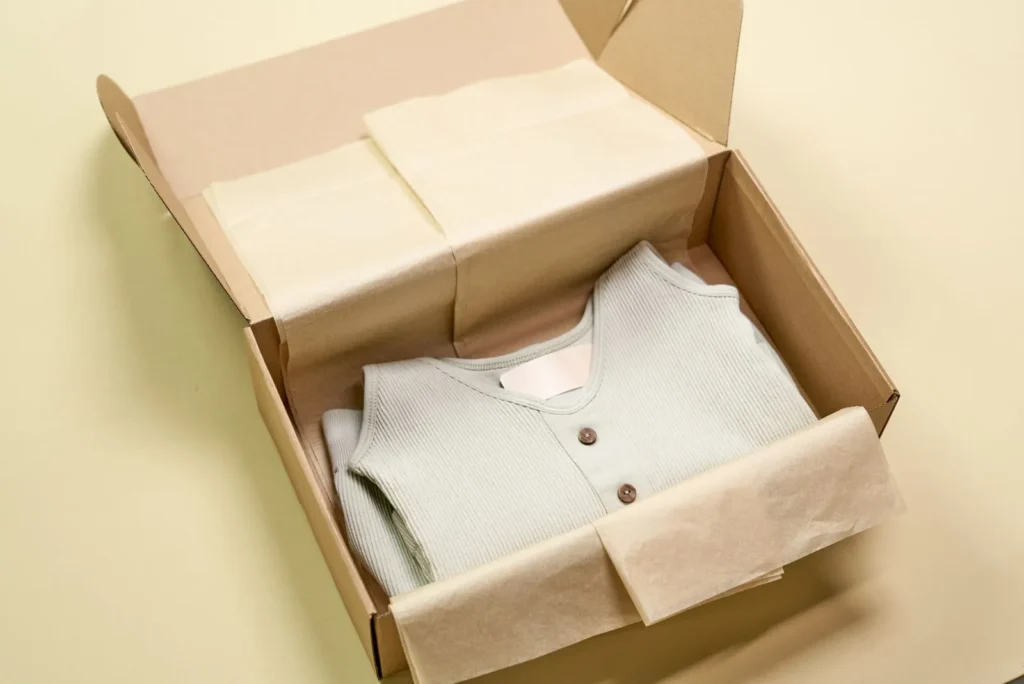
Review a packed sample as well: folding, hangtag attachment, product identification and packaging should match the agreed presentation. Open it as a customer would and check whether the packing introduces avoidable creases, snags or confusion about size and color.
8. Close the Review with One Clear Approval Record
Bring the decisions into one dated record. Include the style number, sample version, fabric reference, measurement sheet, accepted corrections and any remaining actions.
Keep a clearly identified reference sample available to both teams. When practical, retain an unwashed reference separately from samples used for washing or wear trials.
If a correction could affect another result, review that result again. For example, changing the body fabric after fit approval may require another fit and wash review. A revised neck label may only need confirmation of artwork, placement and comfort.
Sample approval also does not replace production inspection. Agree on how bulk garments will be checked against the approved reference and specification.
Preparing Your Next Merino Sample
The most useful starting package includes your intended customer, garment use, reference style, target fit, fabric preferences, size range and care expectations. Add target quantities and delivery requirements so development decisions can be considered alongside the production plan.
As a custom Merino wool apparel manufacturer, Wildland supports fabric sourcing, sampling, private label development and bulk production for apparel brands. Send your garment brief to discuss the fabric and sample details for your next collection.