


Yes, merino wool can be a good choice for summer, especially in lightweight T-shirts, travel clothing and active layers. The key is choosing the right garment. A thick winter base layer and a light summer tee can share the same fiber label while feeling very different to wear.
When choosing merino wool for summer, look at fabric weight, construction, fit and the activity you have in mind. For clothing brands, those details also provide a more useful development brief than simply asking for a “cooling wool fabric.”
Why Merino Wool Can Work in Warm Weather
Wool can absorb moisture vapor within its fibers and release it as conditions change. This helps explain why a lightweight wool garment can be useful beyond winter. Woolmark describes the relationship between moisture, clothing and comfort in its breathability factsheet.
That fiber property still needs the right fabric and garment design around it. Consider the amount of material, its structure and how the clothing sits on the body. A breathable fiber does not make every thick or heavily layered outfit comfortable in hot weather.
Start with the finished garment and its intended use, then use the fiber’s properties to understand the choices available.
Match the Garment to Your Summer Plans
Use these scenarios as starting points for selection and sampling, rather than fixed rules for every climate or wearer.
| Intended use | A useful starting point | What to check |
|---|---|---|
| Everyday wear and city travel | A lightweight tee with a comfortable everyday fit | Drape, coverage, neckline and comfort during a full day |
| Hiking with a backpack | A lightweight top that works with the rest of the clothing system | Shoulder seams, strap contact, movement and surface wear |
| Running and active training | A light construction developed for movement | Wet cling, drying behavior, seam comfort and ventilation |
| Trips with changing conditions | A versatile tee plus a separate layer when needed | Packing space, ease of changing layers and the available care routine |
A useful wear trial should resemble the actual day: walking, sitting, carrying a bag and moving between environments. A few minutes in a fitting room cannot answer all of those questions.
What Fabric Weight Should You Choose?
GSM means grams per square meter. It describes fabric mass per area, not a temperature rating or a direct measurement of thickness.
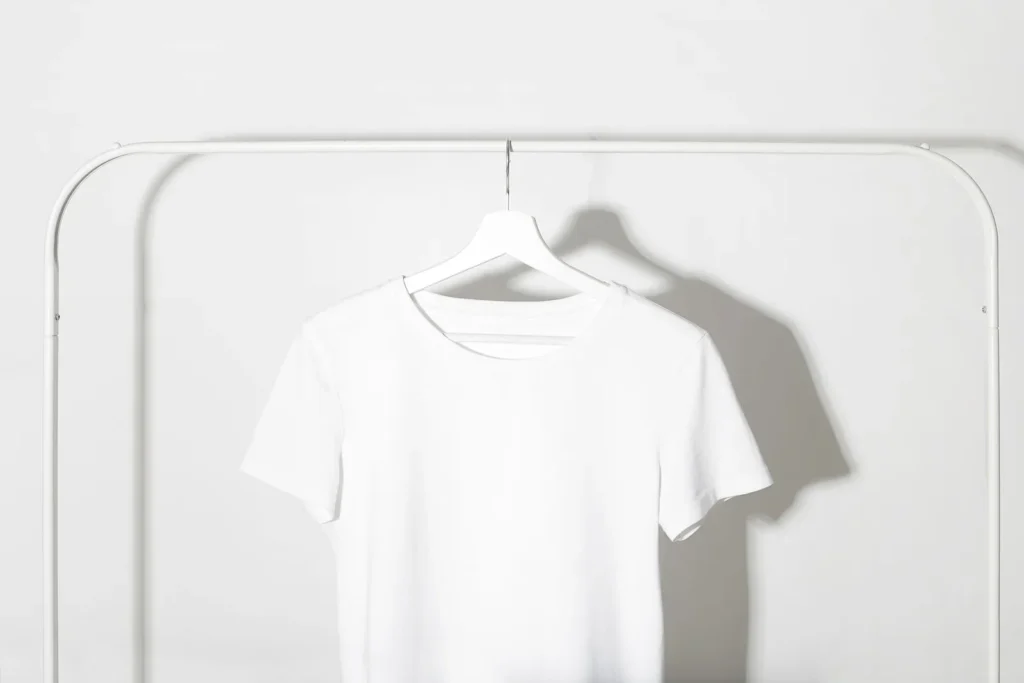
Around 150 GSM can be a useful starting point when sampling a lightweight summer tee. As one commercial example, Smartwool’s base-layer guide places its 150-weight range in the lightweight category and describes wearing it alone on warm days. This is a product example, not a universal specification for summer clothing.
Compare the actual samples before choosing. A lower number alone does not establish better comfort, adequate coverage or acceptable durability. Stretch the fabric as it will be stretched during wear, and inspect the finished garment in its proposed colors.
Our merino wool weight guide explains how to compare fabric weights alongside construction and intended use.
Fit and Construction Matter Alongside Weight
Decide whether the item will be worn as a standalone top or underneath another garment. A summer lifestyle tee and a fitted active base layer need different pattern decisions.
For a standalone tee, check the chest, armholes, sleeves and body length while sitting and moving. For a layer worn underneath other clothing, check whether it bunches or restricts movement. Include any backpack or outer layer that belongs to the intended use.
Examine the fabric beyond its hand feel. If the design uses mesh or ventilation panels, review their placement, coverage and behavior when stretched. Ask wearers where they feel pressure or cling, rather than recording only a general “comfortable” score.

Is Pure Merino or a Blend Better for Summer?
Either can be worth considering. Start with the product’s priorities instead of assuming that the highest wool percentage always gives the best result.
Pure merino may suit a collection built around a wool-only main fabric. A blend gives a development team other options for yarn design, stretch, handle and cost. The complete construction determines how those choices perform in the garment.
For example, a travel tee brief might compare a pure merino option with a blend at similar weights. Review both using the same intended fit and care routine, then compare appearance, movement and comfort.
See our guide to 100% merino wool and blends for a closer look at the choices to discuss during sampling.
Breathability, Sweat Handling and Drying Are Different Questions
Moisture vapor absorption should not be treated as proof that a garment rapidly moves liquid sweat or dries fastest after washing.
Woolmark’s Moisture Management Merino overview makes this distinction: wool readily handles moisture vapor, while managing liquid moisture presents a different challenge. Its development example uses finishing and fabric construction to improve liquid moisture transfer.
For a running top or travel shirt, ask practical questions:
- Does the fabric cling uncomfortably when damp?
- How does the garment feel during activity and afterward?
- How long does it take to dry under the conditions in which it will actually be used?
When comparing samples, keep the wetting, washing and drying conditions consistent. Separate wearer feedback from measured results. A pleasant dry hand feel does not establish overnight drying performance in a hotel room.

Why Merino Appeals to Summer Travelers
Odor resistance is one reason to consider merino for travel. Wool can bind odor compounds within the fiber; Woolmark summarizes the evidence in its research on wool and body odor.
This can support a travel wardrobe intended for repeated use, but it does not establish a guaranteed number of odor-free days. Check the garment’s condition, the activity and the care instructions before deciding whether it needs washing.
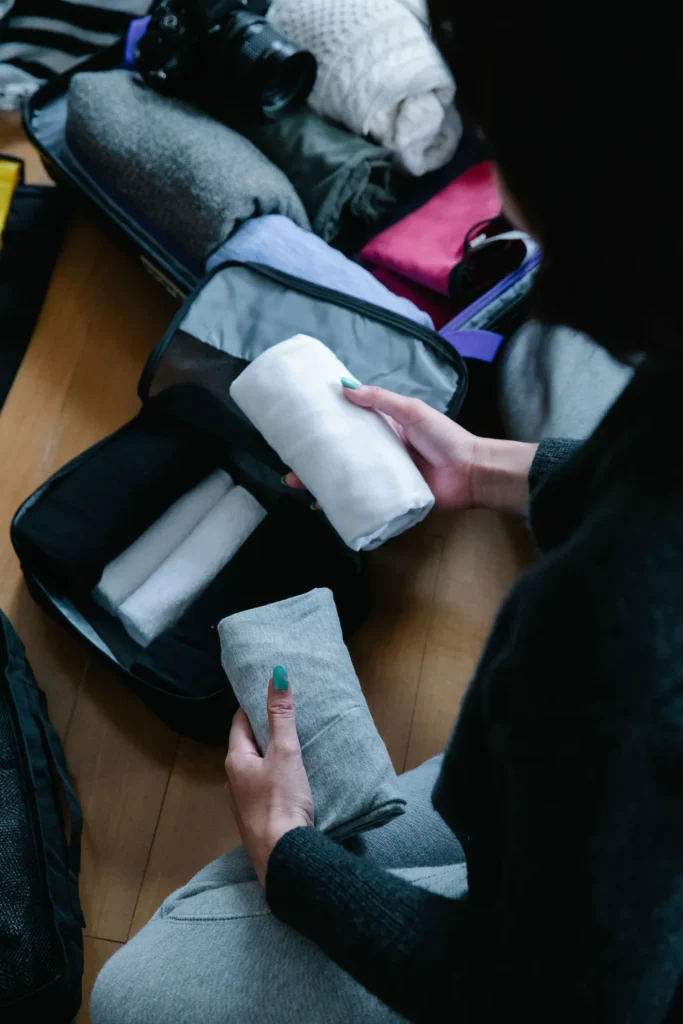
When packing, think about the whole routine: access to washing, drying space, spare clothing and the activities planned. Choose pieces that work together and can be cared for in the places you expect to stay.
For Brands: Check More Than the First Sample’s Softness
A summer garment needs to deliver its intended appearance and feel through use. Before approving a style, agree on a short evaluation plan:
- Define the setting. Record the intended market, activity and whether the garment is a standalone top or a layer.
- Compare complete specifications. Identify composition, yarn, GSM, knit structure and finishing for each candidate.
- Review coverage and fit. Assess the proposed colors, movement, damp cling and any ventilation panels.
- Record performance. Use consistent conditions for relevant drying comparisons, wear trials and laboratory testing.
- Check after care. Review measurements, neckline shape, seam twisting and surface appearance after the agreed wash routine.
For a backpacking tee, include repeated strap contact in the trial and inspect the affected areas. Our merino wool pilling guide explains what surface changes mean and how to discuss testing requirements.
Keep the approved sample and its specification together. If the yarn, finish or construction changes later, decide which checks need to be repeated before accepting the replacement.
Care for Lightweight Summer Merino
Follow the finished garment’s care label, including the permitted washing and drying methods. Lightweight fabric still needs an appropriate care routine; a summer label does not imply that a garment can tolerate any machine cycle.
Our merino wool washing guide covers detergent, hand washing, machine washing and drying. For a new collection, align those instructions with the routine validated during development.
Develop a Summer Merino Collection with a Clear Brief
A useful brief connects the fabric to the customer’s day: a travel tee, an active top or a lightweight layer, with defined expectations for fit, appearance and care.
Wildland supports merino wool OEM/ODM manufacturing, from fabric selection and sampling through bulk production. For a summer collection, share the intended activity, preferred fabric direction and the performance priorities you want to evaluate.
Send us your summer apparel brief with the garment type, target price, planned quantities and any reference samples to begin the discussion.

Pingback: Merino Wool vs Cotton: Fabric Guide for Brands | Wildland