

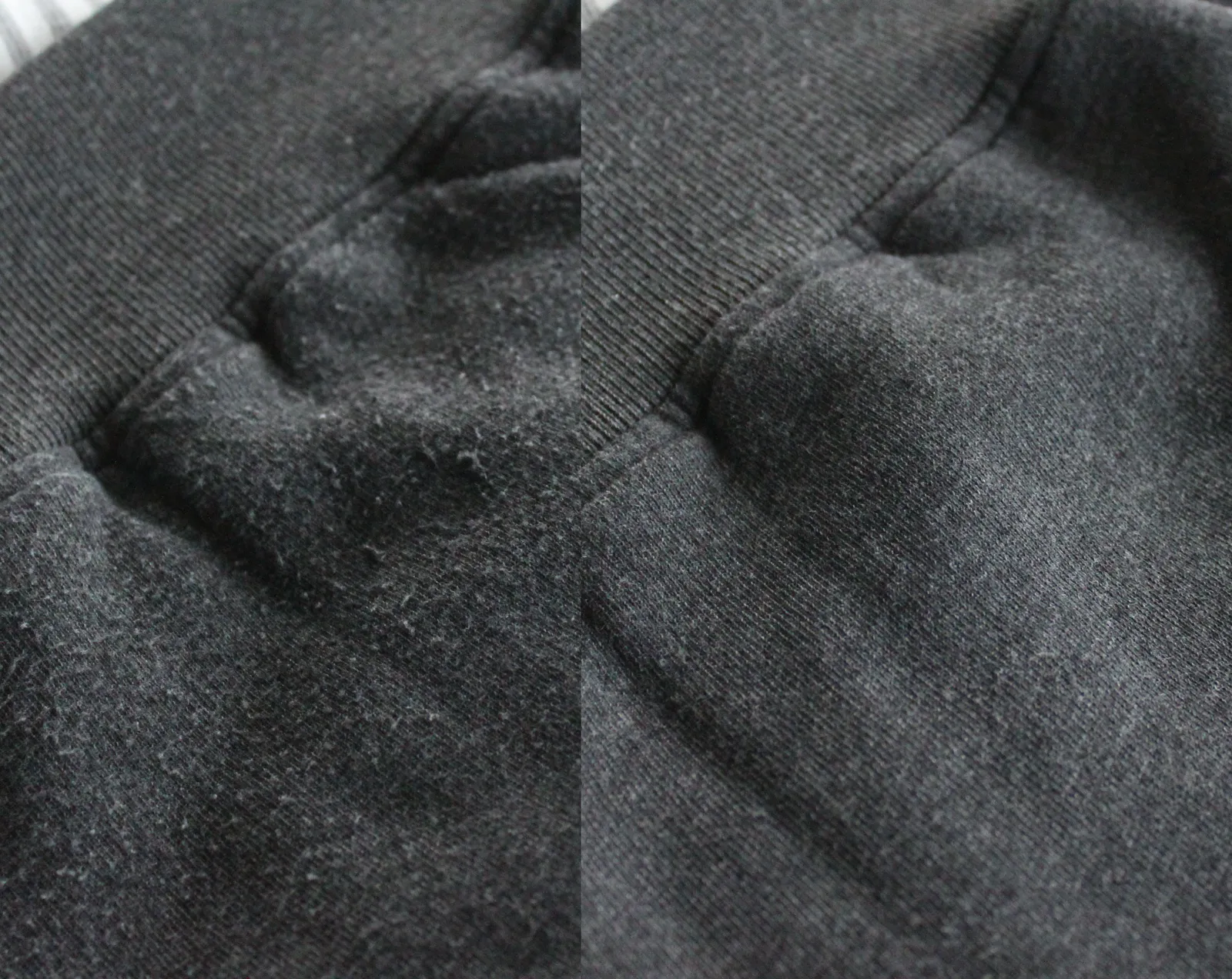
Yes, merino wool can pill. The small balls that appear on a garment’s surface are tangled fibers, often forming where the fabric repeatedly rubs against itself or another surface. Merino wool pilling needs to be understood alongside the fabric’s construction, care routine and intended use.
For wearers, the practical questions are how to reduce it and remove existing pills carefully. For apparel brands, the task starts earlier: defining acceptable surface appearance and checking samples before approving production.
Is It Pilling, Fuzz or Loose Lint?
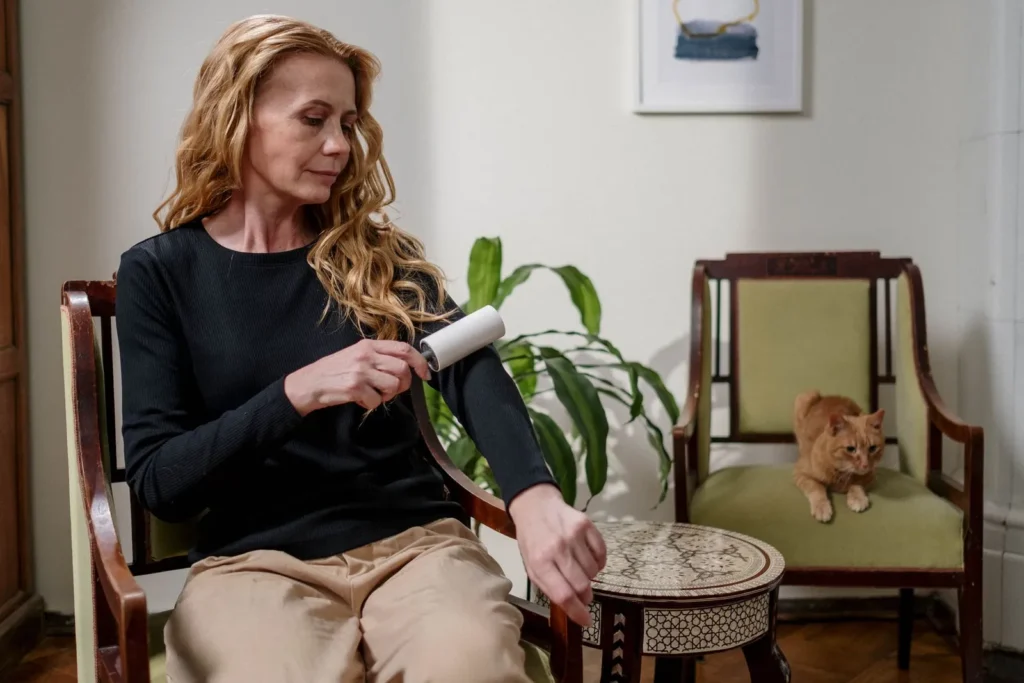
Look closely before choosing a treatment. Several different surface changes can make a garment appear worn.
| What you see | What it means | First step |
|---|---|---|
| Small, tangled balls attached to the surface | Pilling | Assess the fabric before choosing a suitable removal tool |
| A soft halo of individual surface fibers | Fuzzing | Compare it with the original fabric appearance |
| Loose hair or fluff resting on the garment | Surface lint | Use a suitable lint brush or roller gently |
| A pulled loop or thread | Snagging | Inspect the affected stitch; avoid shaving the loop |
| Thinning or an opening in the fabric | Wear or damage requiring closer inspection | Assess repair options and the likely cause |
A lint roller is useful for loose surface debris. It should not be treated as a complete solution for attached pills. Likewise, removing pills does not repair a hole or restore a damaged stitch.
Why Does Merino Wool Pill?
Repeated Friction During Wear

Elbows, underarms and the sides of a sweater are common locations because movement brings surfaces into repeated contact. Backpack straps and other rubbing surfaces are also worth checking when reviewing a worn garment. Woolmark describes friction during use as the main trigger in its guide to wool pilling.
For a hiking garment, include the intended backpack in wear trials. For an everyday top, note whether changes appear around a bag strap, under the arms or across a much wider area.
Fiber Preparation and Yarn Construction
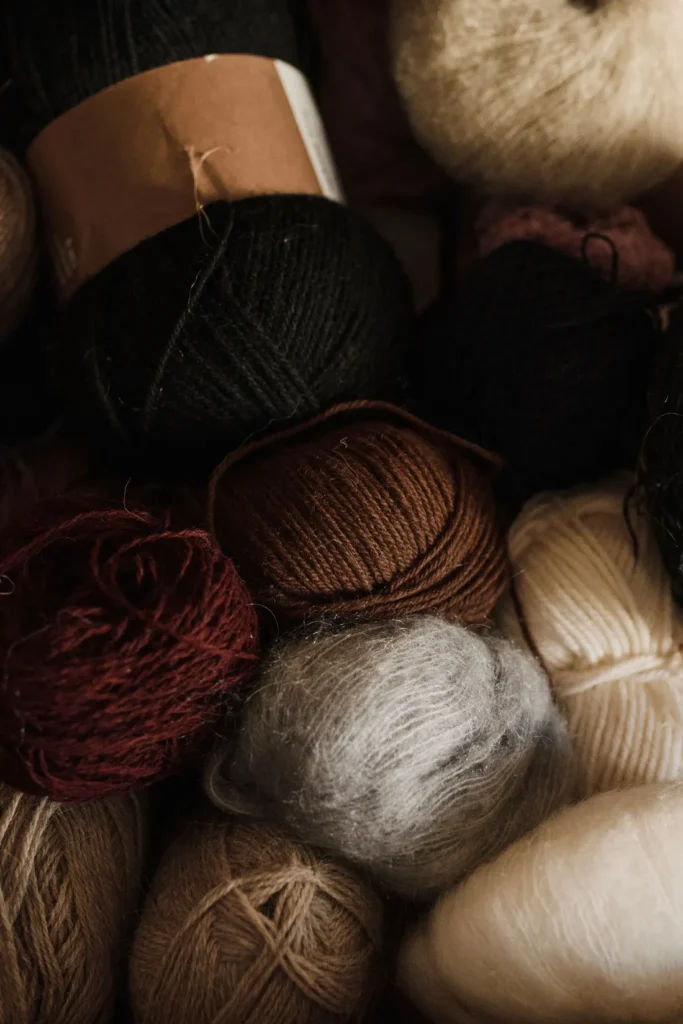
Fiber length and yarn preparation matter alongside the fiber name on the label. In worsted processing, combing removes short fibers that can contribute to poorer surface appearance and pilling. Woolmark explains this relationship in its overview of wool top-making.
This gives brands a useful question to ask during development: what yarn specification supports the desired surface and handle? A fabric swatch that feels appealing at the first meeting still needs evaluation after use and care.
The Complete Fabric Specification
Composition, fiber dimensions, yarn, fabric construction and finishing all influence pilling behavior. ASTM identifies these interacting factors in the public guidance for ASTM D3512/D3512M.
The practical implication is that a material name cannot predict the finished garment’s result. Compare complete specifications and actual samples, especially when a supplier proposes a change to the yarn or finish.
Does Pilling Mean Poor Quality?
Pilling alone is not enough to diagnose a garment’s overall quality. Record how quickly it appeared, where it developed, how extensive it became and how the item was worn and cleaned.
A few localized pills and widespread surface deterioration deserve different conversations. Neither should be judged from an isolated close-up without the history of the garment.
For a customer enquiry, useful evidence includes:
- A full-garment photograph and a close-up of the affected area.
- An approximate number of wears and washes.
- The wash program, detergent and drying method used.
- Regular contact with backpacks, outer layers or other surfaces.
Brands should investigate unexpectedly early or extensive changes rather than dismissing every complaint as normal wool behavior. Compare the returned garment with the approved sample and agreed product expectations.
Does 100% Merino Pill More Than a Blend?
There is no dependable answer based only on the fiber percentages. A blend changes the fabric specification, but it does not automatically make the garment resistant to pilling.
Compare candidates with similar weights, knit structures and intended uses where possible. Our guide to 100% merino wool and blends explains how to approach that selection.
The same caution applies to micron count. Fiber diameter is one specification, not a finished-fabric pilling rating. Use our merino wool microns guide to understand fineness, then evaluate surface performance separately.
How to Reduce Merino Wool Pilling
Start with the garment’s care label. Where washing is permitted, turn the item inside out and use the specified method. Avoid fabric softener and unnecessary rubbing during care; these points follow Woolmark’s pilling advice.
Check recurring contact points during wear. If pilling follows the path of a strap, inspect that contact rather than assuming the entire fabric behaves identically.
For detergent, washing and drying details, follow our merino wool care guide. Washing is part of maintenance; it should not be presented as a way to remove all existing pills.
How to Remove Pills Carefully
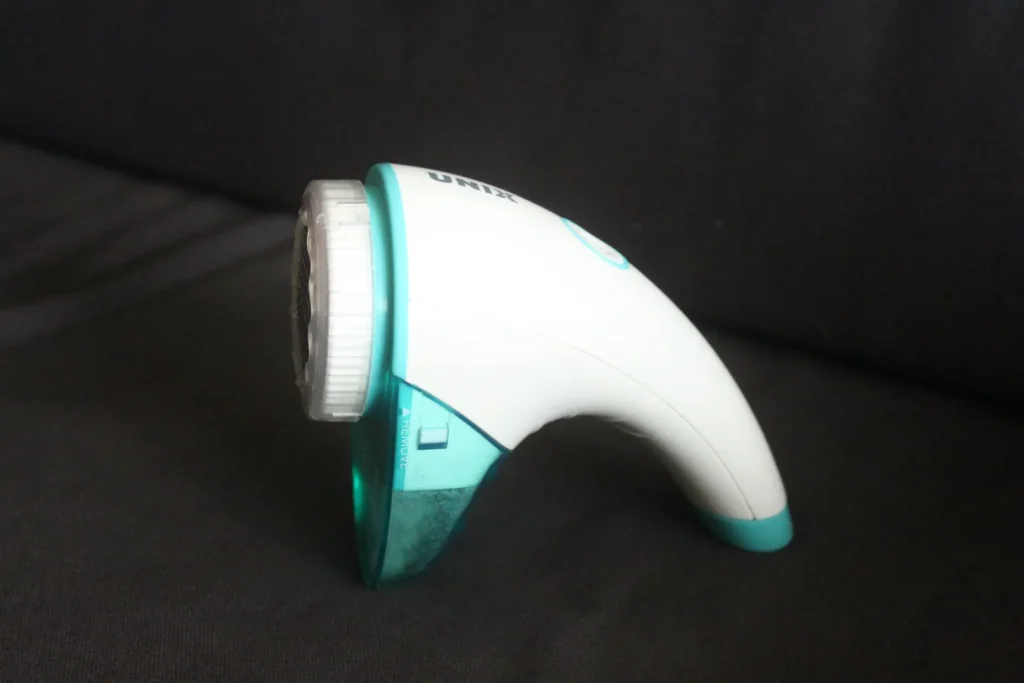
Choose a tool suitable for the garment and follow its instructions. A fabric shaver can improve surface appearance, but technique and fabric compatibility matter.
- Lay the garment on a flat, stable surface instead of treating it while wearing it.
- Test a small, less visible area first.
- Glide gently across the surface without pushing the fabric into the cutting head.
- Take extra care around seams, fastenings and loose threads.
- Stop if the tool catches or visibly changes the fabric.
These precautions are consistent with Steamery’s fabric-shaver guidance. Delicate or loosely structured textiles may need a different approach, so check the garment and tool instructions before proceeding.
For Apparel Brands: What to Check Before Production
Agree on a Relevant Test Method
ISO 12945-2:2020 covers assessment of surface pilling, fuzzing and matting using the modified Martindale method. Ask the laboratory which method suits the fabric and buyer requirements.
When reviewing a report, request enough context to interpret it:
- Sample identity: fabric code, composition, weight, structure, color and finish.
- Method: the exact standard and edition used.
- Conditions: exposure stages or cycles and any pretreatment.
- Result: the reported assessment, its scale and supporting photographs where available.
- Acceptance criteria: the benchmark agreed for this product before testing.
Do not compare two headline grades without checking that their methods and conditions match. A pilling result also does not establish tear strength, snag resistance or the number of months a customer can wear the garment.
Pair Laboratory Results with Wear Trials
ASTM notes that real-use pilling varies with wearers and conditions. Use laboratory results alongside a documented garment trial rather than converting a test result into a guaranteed lifespan.
For example, trial two candidate hiking tops using a recorded care routine and comparable backpack use. Photograph the same areas under similar lighting at agreed intervals. Record surface changes separately from seam condition, fit and comfort.
Keep an approved reference sample and document any later yarn, construction or finishing changes. This gives the development team a clear basis for deciding when further evaluation is needed.
Build Surface Performance into the Product Brief
Pilling expectations belong in the sampling discussion alongside softness, fit and care. Define the intended activity, acceptable appearance and evaluation plan before finalizing the fabric.
As a merino wool apparel manufacturer, Wildland supports brands with fabric selection, sampling and OEM/ODM production. Bring your surface-performance priorities into the development brief so they can be discussed alongside the rest of the garment requirements.
Discuss your merino project with our team, including the garment type, target fabric, intended use and any required testing criteria.

Pingback: Merino Wool for Summer: Lightweight Guide | Wildland