

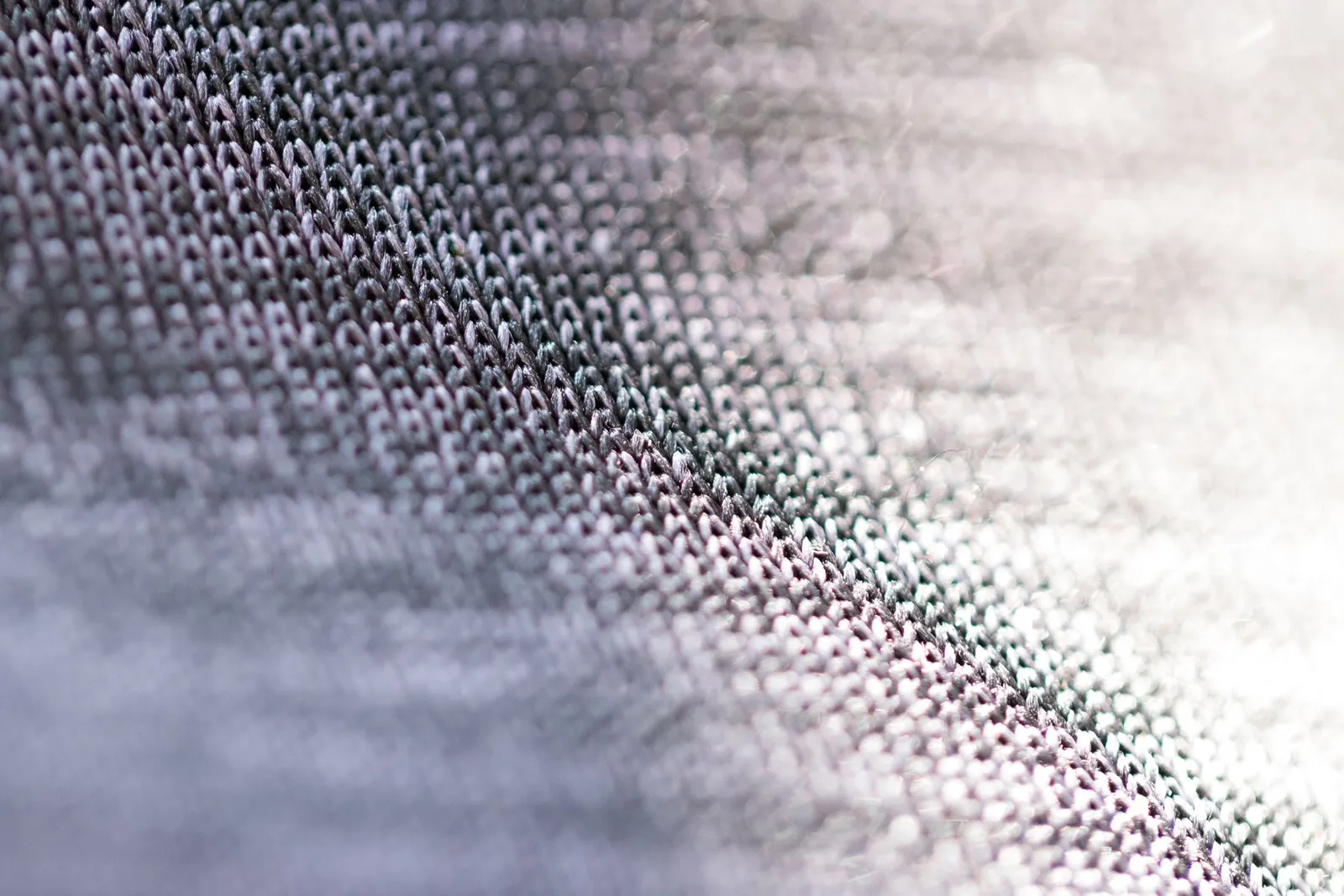
Two Merino base layers can share the same fiber composition and GSM yet feel different when worn. One may fall loosely against the body; another may hold a more defined shape. Knit construction is one reason why.
When choosing Merino wool knit fabric, single jersey, interlock and rib are useful starting points. The right choice begins with the garment you want to make: its fit, appearance, movement and care requirements.
This guide explains how to shortlist these constructions and turn that choice into a clearer fabric brief.
Where Knit Structure Fits in a Merino Fabric Specification
Composition tells you which fibers are present. Micron describes wool fiber diameter. GSM measures fabric mass per unit area. Knit structure describes how loops are arranged.
These are separate decisions. A request for “100% Merino, 200 GSM” still leaves important aspects of the fabric unspecified. Woolmark’s overview of wool knitting explains how different knitting arrangements produce different fabrics.
If you are still deciding on fiber fineness or weight, start with our Merino wool micron guide and Merino wool weight guide. Then select a construction that supports your intended garment.
Single Jersey vs Interlock vs Rib: A Quick Comparison
| Construction | Basic structure and appearance | A useful sampling starting point |
|---|---|---|
| Single jersey | A single-knit construction with a different face and reverse. Unfinished edges can curl. | T-shirts and base layers where you want to explore a simple, softly draped body fabric. |
| Interlock | A double-knit construction with a similar knitted appearance on both sides. | Garments where you want to explore a smoother, more structured body fabric. |
| Rib | Alternating knit and purl columns create raised ribs and allow widthwise extension. | Close-fitting bodies, neckbands and cuffs where the fabric must accommodate movement. |
CottonWorks’ guide to single and double knits explains these construction differences. The suggested uses above are starting points for development; yarn, knitting density and finishing also influence the result.
When to Start with Single Jersey
For a straightforward Merino T-shirt or everyday base layer, put single jersey on the first sample request. Ask for a finished garment as well as a swatch so you can assess how it hangs from the shoulders, moves across the torso and behaves at the hem.
Do not reject a fabric solely because an unfinished swatch curls. Research on curling in knitted fabrics links this behavior to loop geometry and internal forces. The more useful purchasing question is whether the finished seams and hems achieve the appearance you need.
Also inspect the intended color on the body. A small swatch resting on a table will not show everything about coverage when the garment is stretched over the chest or shoulders. Specify the fit and color before approving the fabric.
When to Explore Interlock
Include interlock when the product brief calls for a clean surface and a more defined garment shape. Compare it with your jersey option in the same proposed silhouette instead of judging only by how substantial the swatch feels in your hand.
“Double knit” refers to construction; it does not mean two finished sheets of fabric have been sewn together. It also does not establish a universal warmth or durability ranking.
For a travel top, for example, ask whether the sample falls neatly under a jacket, folds comfortably into luggage and keeps the intended proportions after the specified care routine. For a base layer, assess whether the chosen fabric and fit allow comfortable movement under the next layer.
Those observations are more useful than approving interlock simply because it sounds more premium.
When Rib Makes Sense
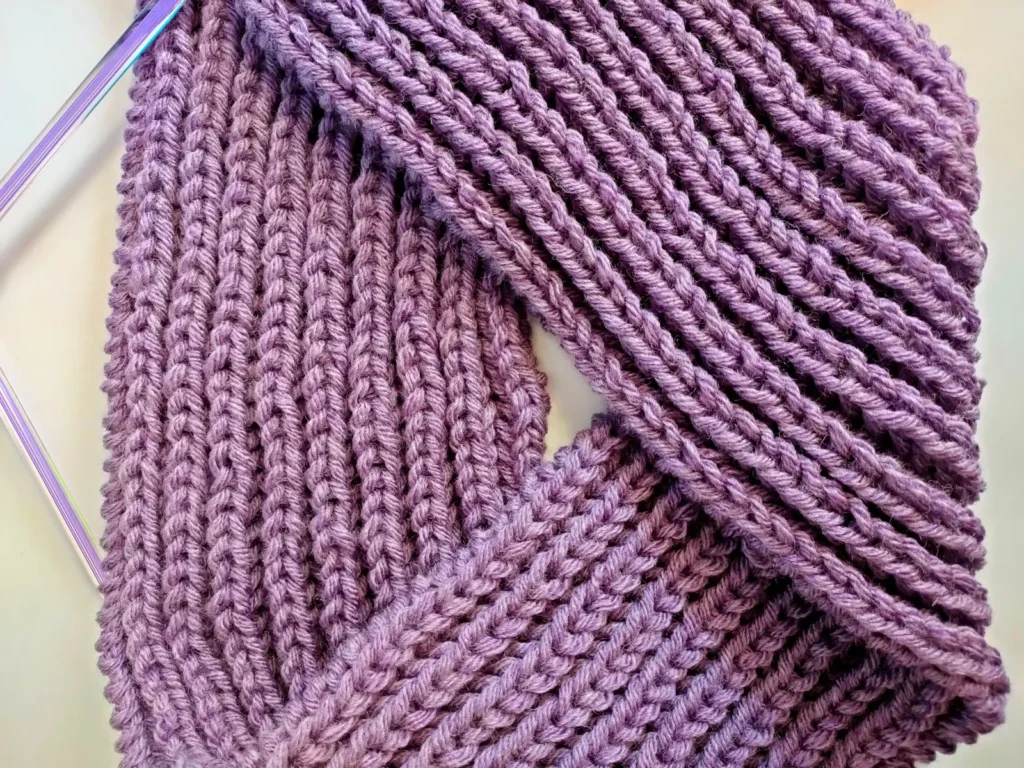
Consider rib when the design includes a close-fitting body, a textured surface or components such as cuffs and neckbands. Specify whether you mean rib throughout the garment or only at the openings; those are different development requests.
Do not assume that switching a jersey pattern into rib will preserve the same fit. Ask the pattern maker to review the relationship between body measurements, garment measurements and the selected fabric’s extension.
For a fitted top, review the sample both at rest and during normal movement. Check whether the visual spacing of the ribs changes acceptably across the body and whether the neckline and cuffs retain the shape you intended.
Stretch and Recovery Are Different Questions
A fabric that stretches easily does not necessarily return fully to its original dimensions. The public scope of ASTM D2594/D2594M distinguishes stretch under a specified load from growth remaining after extension.
Translate that distinction into a practical brief: which areas need to extend, and where would lasting looseness be unacceptable? A cuff, neckline and fitted torso may need different answers.
Agree on an appropriate evaluation method with your supplier or testing laboratory. A hand-stretch comparison can help shortlist swatches, but it should not become an undefined pass-or-fail requirement for bulk fabric.
Does the Same GSM Mean the Same Performance?
No. Two fabrics at 200 GSM have the same mass per unit area, but that measurement does not specify thickness, drape, recovery or the weight of the completed garment.
Choose your comparison according to the decision you need to make:
- To understand construction: request options with composition, color, finish and GSM as comparable as practical. Record any differences that remain.
- To choose a finished product: compare realistic garment samples against the same design brief, even if their final specifications differ.
Avoid comparing a very light jersey with a much heavier interlock and attributing every difference to the knitting structure. Equally, do not force every candidate to the same GSM if that prevents it from meeting the intended product brief.

What to Put in Your Supplier Brief
Give the supplier a product decision to solve. For example:
We are developing a fitted long-sleeve Merino base layer for hiking. Please propose a single jersey option and an interlock alternative using our agreed composition and target weight. Explain any specification differences, and provide enough material to assess fit, coverage and behavior after washing.
Attach the intended fit, size measurements, color, care instructions and target price range. If rib is involved, identify its location and the appearance you want. Confirm composition, wool fineness and GSM for each proposed fabric rather than relying on a construction name alone.
Once you have shortlisted the fabric, use our Merino wool sample checklist to review the garment before moving toward bulk production.
As a Merino wool clothing manufacturer, Wildland supports fabric selection, sampling and OEM/ODM development for apparel brands. Share your garment brief with our team to discuss suitable construction options for your next collection.