

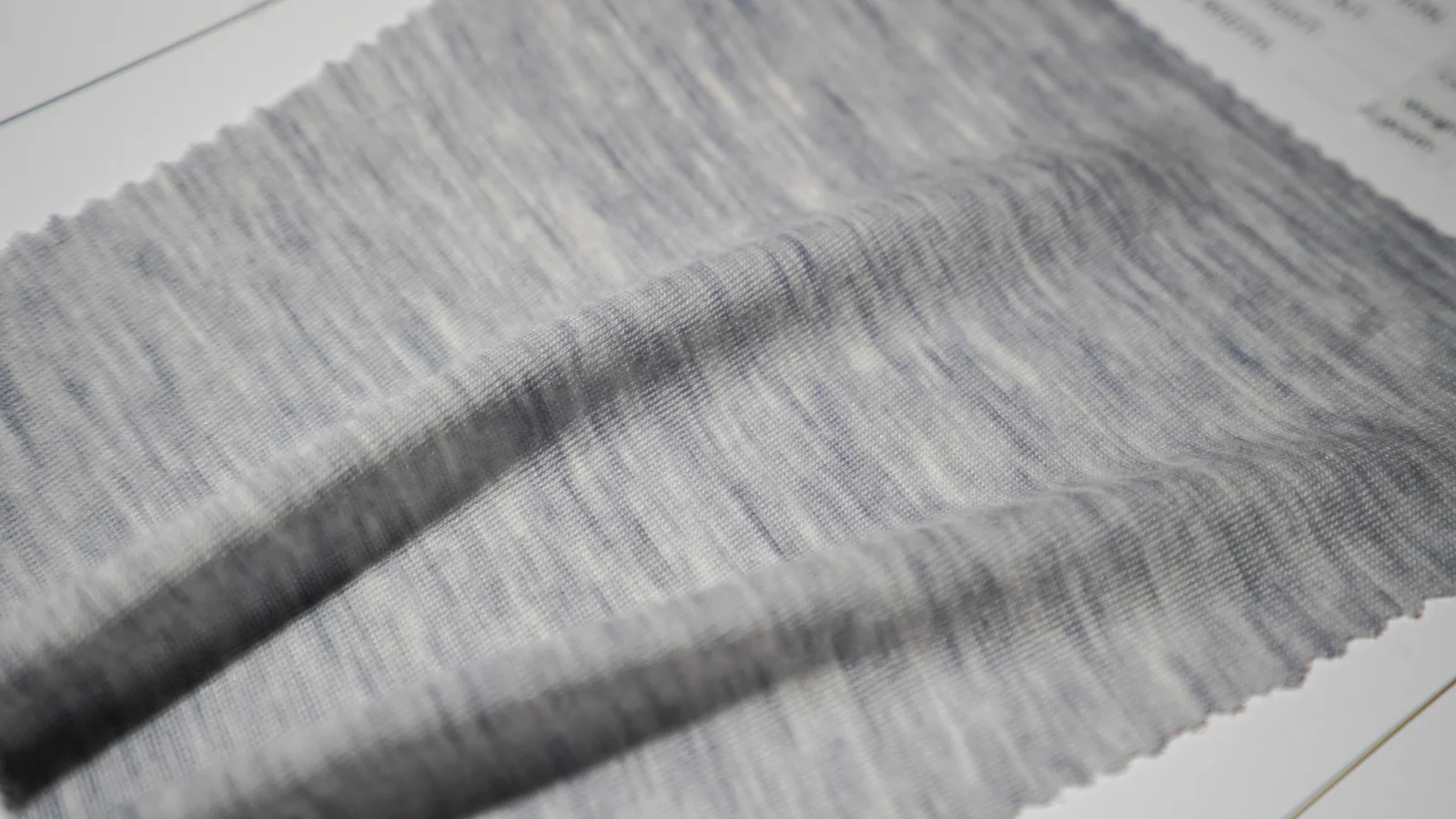
When choosing Merino wool clothing, you will often see numbers such as 150, 200 or 250 GSM. These describe the weight of the fabric and provide a useful starting point for comparing lightweight T-shirts, everyday base layers and warmer layering pieces.
As a starting point, consider 150 GSM for lightweight garments, 200 GSM for versatile layering, and 250 GSM when additional insulation is a priority. The final choice also depends on activity level, fabric construction, fit and the other layers worn with the garment.
For apparel brands, understanding these differences helps turn a general request for “lightweight” or “warm” Merino into a more useful product specification.
What Does GSM Mean in Merino Wool Clothing?
GSM stands for grams per square meter. A fabric rated at 200 GSM weighs 200 grams per square meter.
It measures fabric mass per unit area. It does not mean that a finished shirt weighs 200 grams. Garment weight also depends on size, pattern, sleeves, trims and how much fabric the design uses.
GSM is also different from micron:
- GSM describes the weight of the fabric per unit area.
- Micron describes the diameter of an individual wool fiber.
- Garment weight describes the total weight of the finished item.
For example, a specification of “17.5 micron, 150 GSM” describes two separate characteristics: fiber diameter and fabric weight. Woolmark explains how fiber diameter influences skin feel in its guide to the wool fiber.
Merino Wool 150 vs. 200 vs. 250 GSM: Quick Comparison
The following table offers starting points for selection and sampling. The weights are reference points, rather than fixed performance categories.
| Fabric weight | General direction | Applications worth considering | What to assess |
|---|---|---|---|
| Around 150 GSM | Lightweight | Travel T-shirts, summer tops and base layers for active use | Opacity, abrasion, drape and comfort during movement |
| Around 200 GSM | Versatile layering | Long-sleeve tops, base-layer bottoms and everyday layering | Warmth during activity, fit beneath other clothing and wash stability |
| Around 250 GSM | More substantial layering | Cold-weather base layers and warmer tops | Insulation needs, bulk and comfort during sustained activity |
Terms such as “lightweight” and “midweight” vary between brands. For example, Smartwool’s weight guide groups 150–190 GSM as lightweight and 200–300 GSM as medium weight. Always compare the actual specification alongside the category name.
When to Consider 150 GSM Merino Wool
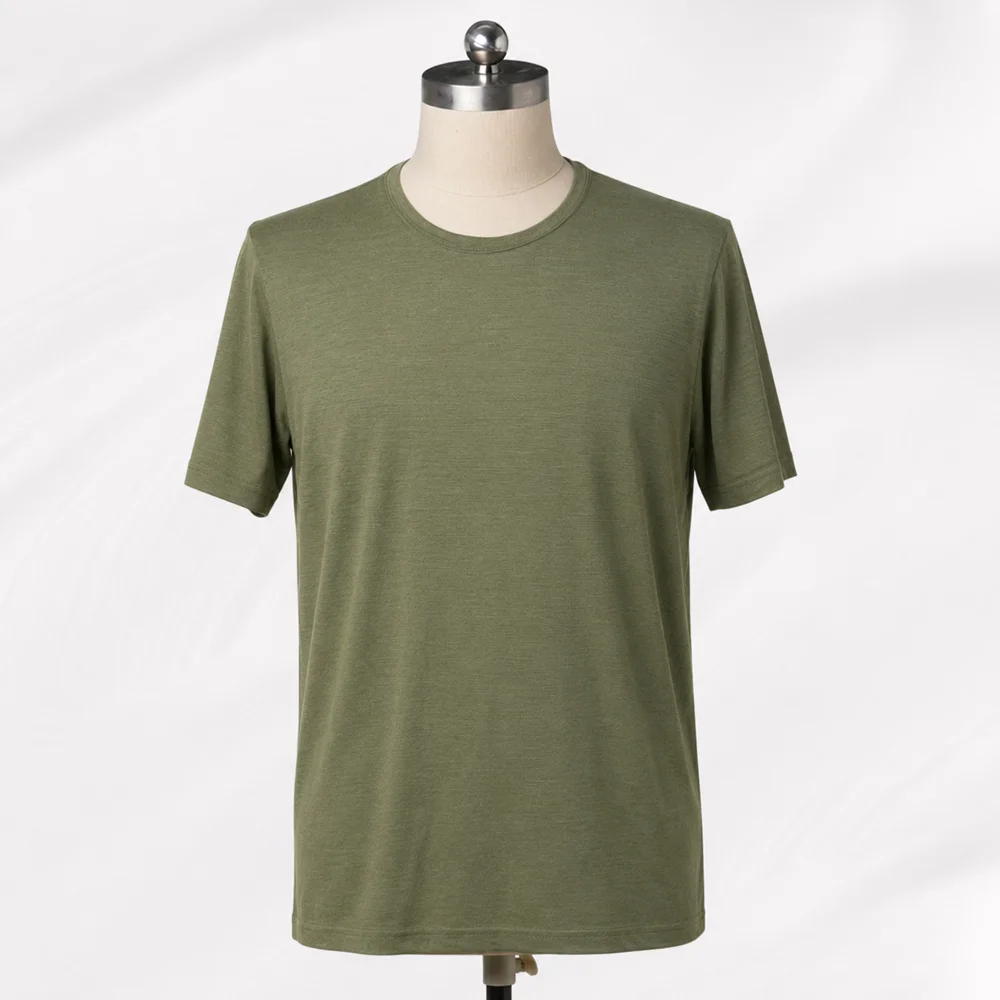
Around 150 GSM is a useful starting point for lightweight T-shirts, travel clothing and garments intended for active use.
For a brand developing a summer tee, sample checks should include opacity in lighter colors, neckline stability and how the fabric behaves under backpack straps. A lightweight fabric should still meet the durability requirements of the intended product.
Lightweight Merino can also form part of a cold-weather layering system. Its suitability depends on the complete outfit and the wearer’s activity, rather than the season alone.
When to Consider 200 GSM Merino Wool
Around 200 GSM is worth considering when the brief calls for a versatile base layer with more substance than a lightweight tee.
Sample it for long-sleeve tops or bottoms that need to fit comfortably beneath other clothing. Check movement at the shoulders, elbows and knees, as well as the feel of seams during layering.
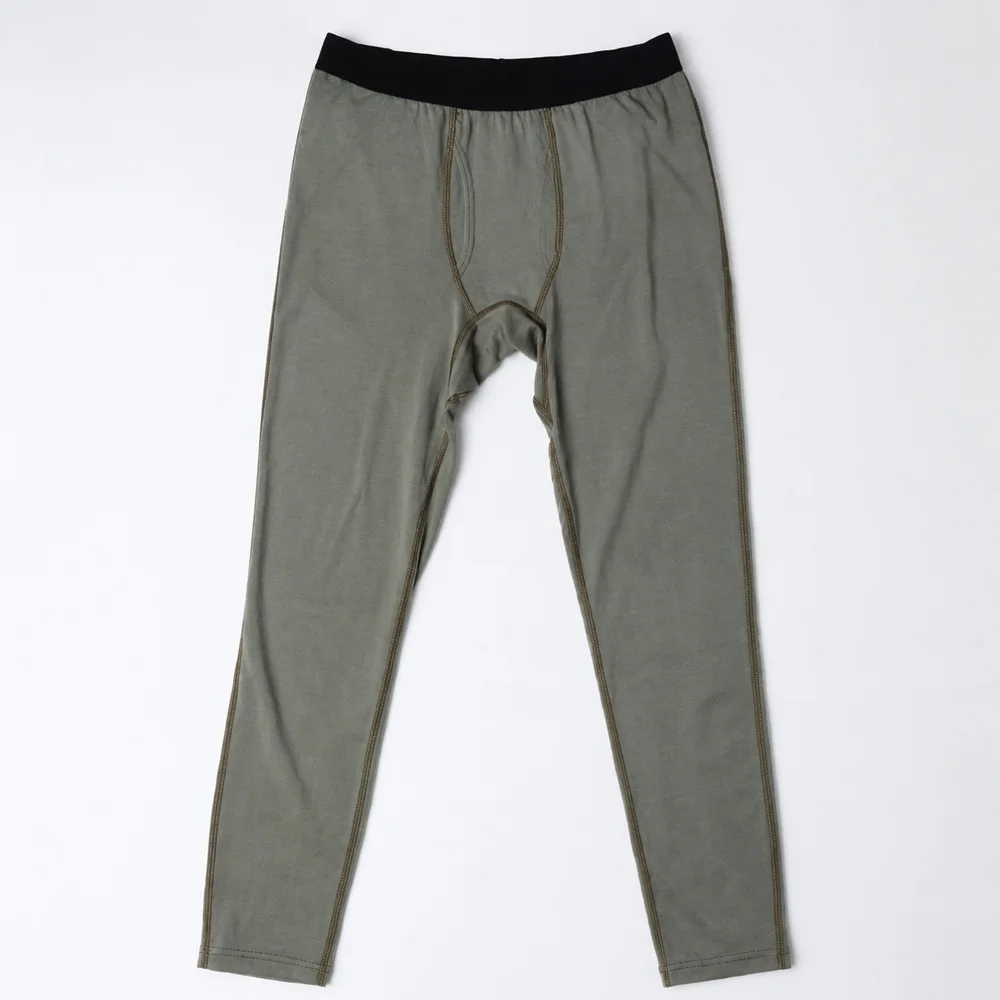
Our 200 GSM Merino wool base-layer pants provide one example: the specification combines 100% Merino wool, 19.5-micron fibers and single jersey construction. Together, these details describe the fabric more clearly than its weight alone.
When to Consider 250 GSM Merino Wool
Around 250 GSM is commonly used for more substantial base layers aimed at colder conditions. For example, Merino.tech’s weight guide includes 250 GSM options for winter layering.
For development, compare the sample both during movement and during rest. A fabric that feels comfortable while standing outside may feel too warm during a sustained uphill walk.
Also assess how it fits beneath the intended mid-layer or outer garment. Extra fabric weight is useful only when it supports the complete clothing system.
Does Higher GSM Always Mean Warmer Merino Wool?
When composition and construction are similar, a heavier fabric will generally offer more insulation. However, GSM measures mass rather than thermal resistance, so it cannot provide a temperature rating by itself.
Consider these factors alongside weight:
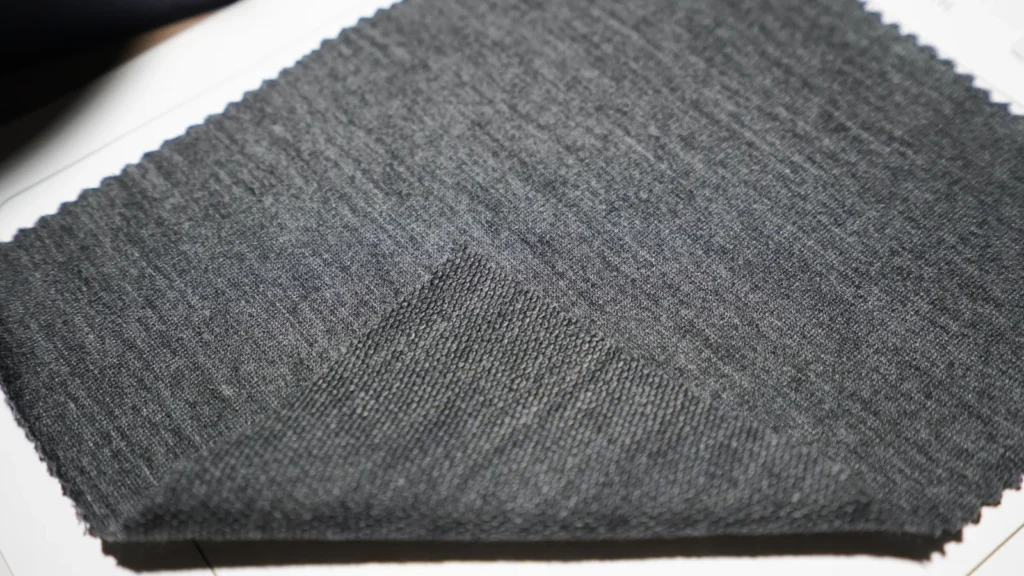
Knit structure. Fabric thickness, openness and the way a knit holds air can affect its performance. Duckworth’s fabric-weight guide illustrates this with different constructions, including waffle-knit fabrics. Two fabrics with similar GSM can have different structures.
Fiber composition and yarn design. A pure Merino jersey and a reinforced blend may differ in feel, stretch and wear behavior. Our guide to 100% Merino wool vs. Merino blends explains how composition and yarn construction affect material selection.
Fit and layering. Evaluate a base layer beneath the clothing it will actually be worn with. An outer layer’s wind protection and a mid-layer’s insulation also contribute to comfort.
Activity and conditions. Consider both movement and rest, along with wind and moisture. Avoid assigning a fixed outdoor temperature range to a GSM number without evidence for the complete garment system.
How to Choose Merino Wool Weight for Your Product
For product development, use GSM to narrow the options, then compare samples against a clear brief.
T-Shirts and Travel Tops
If the priority is a lightweight garment, start by sampling around 150 GSM. Include a heavier alternative if the collection needs a more substantial feel.
Compare the same color and a similar construction where possible. Assess coverage, drape and the appearance of the garment after washing. For a travel product, include packing and repeated-wear checks in the evaluation.
Base-Layer Tops and Bottoms
Shortlist weights according to the intended activity and layering system. A collection for active hiking may need a different balance from one intended for less active use in cold conditions.
Try the sample beneath the intended trousers, fleece or shell. Check whether it restricts movement, bunches at joints or creates uncomfortable seam pressure.
Underwear
For underwear, make skin feel, opacity, fit and recovery part of the brief from the beginning.
Compare fabric weight together with composition and stretch requirements. Assess a finished sample, including the waistband and seams, because a comfortable fabric swatch cannot establish how the whole garment will fit.
Mid-Layers
Define the desired garment structure before selecting GSM. A smooth jersey top, terry fabric and fleece-style construction need different development decisions.
Assess bulk beneath an outer layer, freedom of movement and the intended level of insulation. Use the finished sample to decide whether the proposed weight suits the product.
What Should Brands Specify Before Sampling?
A useful Merino fabric brief includes:
- Product type and intended use: travel tee, active base layer, underwear or warmer layering piece.
- Target fabric weight: the proposed GSM and an agreed production tolerance.
- Composition and wool fineness: fiber percentages and the wool micron specification.
- Knit construction: such as jersey, rib, mesh or terry.
- Evaluation priorities: the required fit, opacity, durability and care performance.
When comparing weights, keep other variables as consistent as practical. For example, sampling the same proposed shirt in two fabric weights can make differences easier to assess than comparing unrelated garments.
Review samples after the intended care routine, then agree the specification and acceptance criteria before bulk production.
Frequently Asked Questions
Is 150 GSM Merino Wool Suitable for Winter?
It can be suitable as the first layer in a winter outfit, depending on activity and the other clothing worn. Consider the insulation and weather protection of the complete system.
Is 250 GSM Merino Wool Heavyweight?
The label depends on the brand. Some classify 250 GSM as midweight. Compare the stated GSM, construction and intended use instead of relying only on “lightweight,” “midweight” or “heavyweight.”
Is 200 GSM Merino Wool Softer Than 150 GSM?
GSM alone does not establish softness. Wool fiber diameter, yarn, construction and finishing all matter. Compare the micron specification and handle the actual samples.
Does a Higher GSM Guarantee Better Durability?
No. Durability also depends on the fibers, yarn construction, knitting, finishing and garment design. Compare relevant test results and wear samples rather than using GSM as a durability score.
Find the Right Fabric Weight for Your Merino Collection
At Wildland, we support OEM and ODM Merino apparel development, including fabric weight, composition, knit structure and fit.
Share your product type, target market, intended activity and preferred fabric feel. These details help us discuss suitable fabric options and a sampling plan for your collection.
Discuss your Merino wool fabric and product requirements with our team.